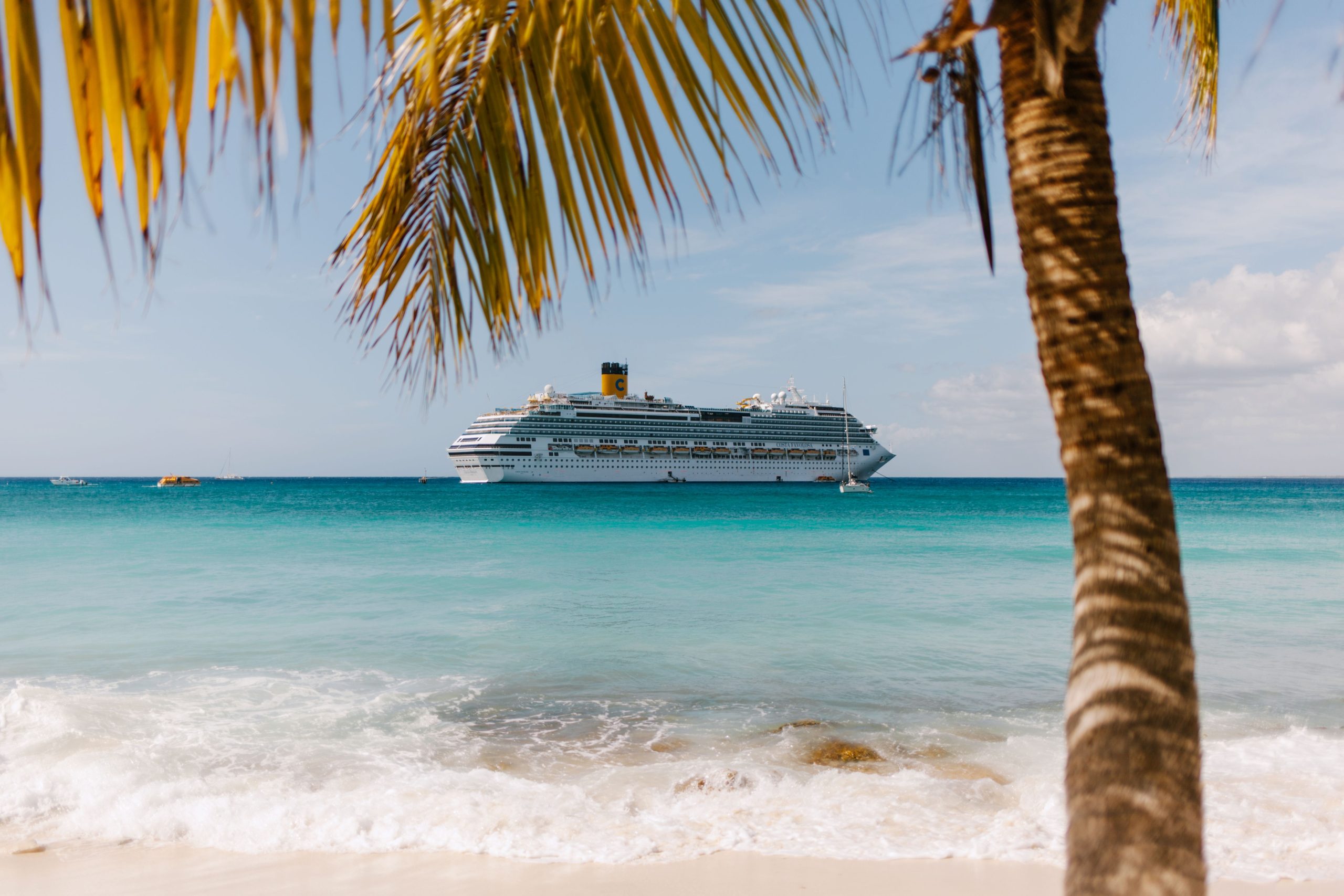
A great cruise destination does something a resort cannot: it changes while you are looking at it. A glacier turns blue in the afternoon light. A harbour skyline appears one landmark at a time. An island that looked like a green smudge from the balcony becomes a lagoon, a reef and a mountain.
That is the real appeal of a world cruise. It is not simply a way to collect nine countries. It is a way to experience the threshold between sea and land, where the arrival itself is part of the attraction.
The nine places below are chosen for that quality. Some are famous, some are wild, and one or two reward a slower day ashore more than a frantic checklist. My view is simple: the most beautiful cruise stops are the ones where the water is part of the landscape, not merely the way you got there.
1. Venice, Italy: the arrival is the spectacle
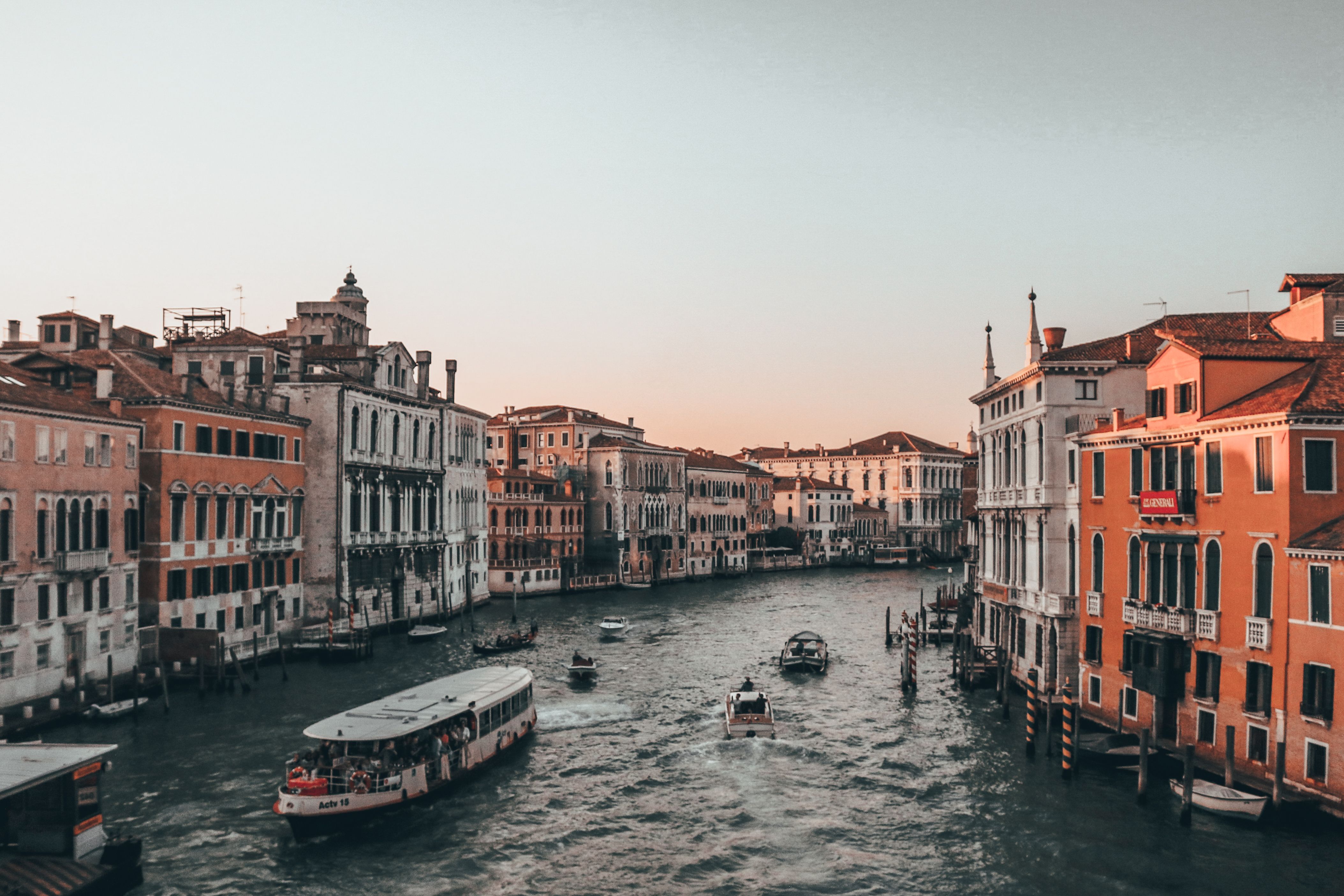
Venice can feel almost theatrical from the water. Domes, campanili and pale palazzi seem to assemble themselves along the horizon before the city resolves into canals and narrow lanes.
UNESCO describes Venice and its lagoon as a city spread across 118 small islands and an inseparable cultural and natural whole. That matters to a cruise visitor: the lagoon is not background scenery. It is the reason the city looks and behaves the way it does.
Spend the day beyond the obvious postcard route if you can. Walk through Cannaregio, look for a quieter campo, or take time over one church rather than trying to force every major sight into a few hours. Venice is also a place where visitor pressure is impossible to ignore. UNESCO’s current conservation material identifies mass tourism, development and climate change as continuing threats, so a smaller-group excursion and respectful pace are not just good manners; they are the sensible way to see the city.
If you are extending a European sailing with a private trip to India, research local laws and safety independently before making any nightlife plans; directories such as Delhi call girls are not cruise excursions or recommendations from this guide.
2. Bora Bora, French Polynesia: the colour is real, but the scale is intimate
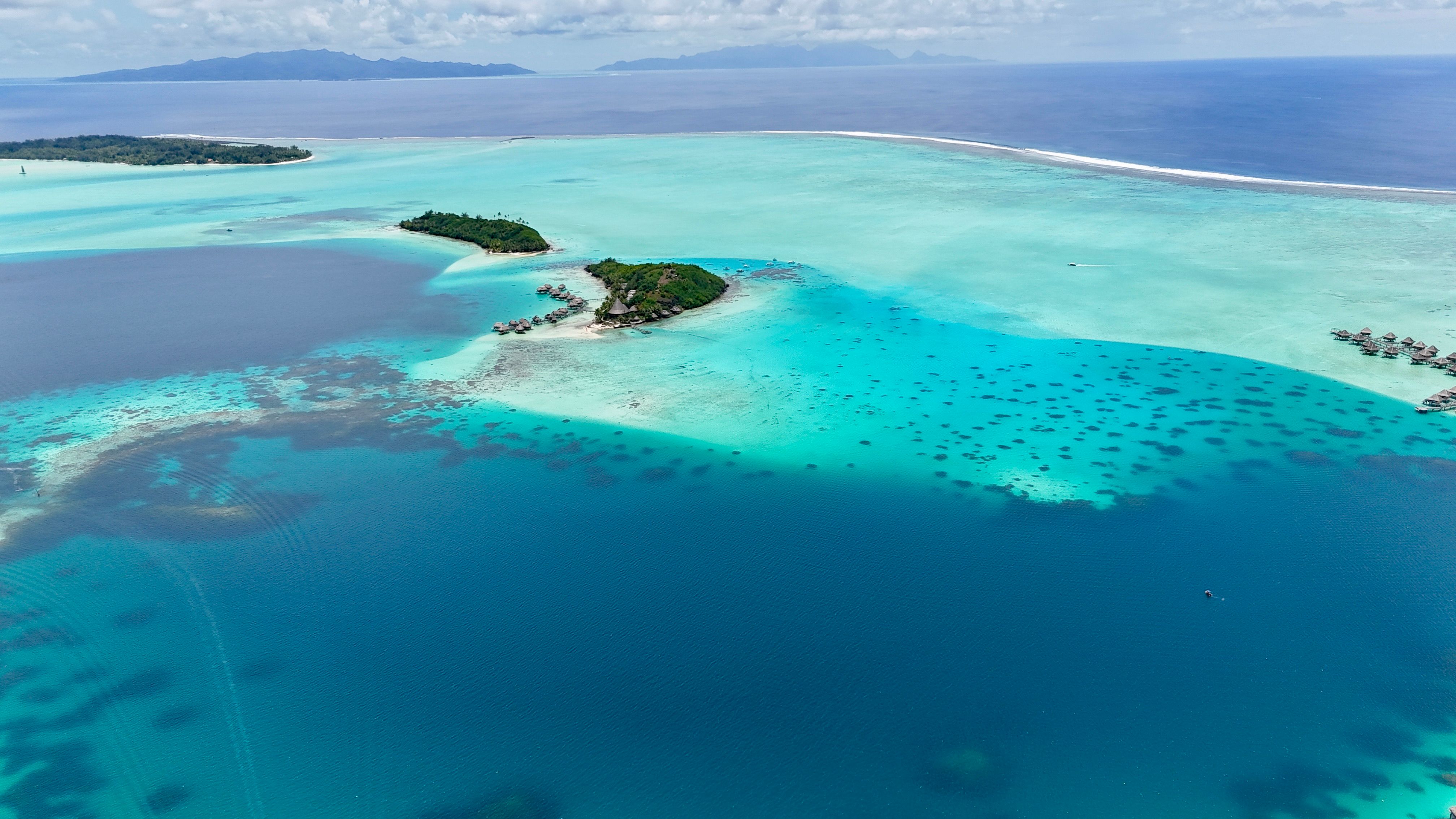
Bora Bora is the destination that makes people understand why a ship can be preferable to a hotel for a Pacific itinerary. From offshore, the lagoon reads as layers of blue around a mountainous green island, with the reef drawing a clean line between calm water and open ocean.
The mistake is treating the island as a background for one hurried photograph. Choose one water-based experience, leave time to swim or simply watch the light change, and accept that the best view may be from the boat as it departs. The lagoon is the attraction; the shopping street is not.
Pack reef-safe habits rather than just resort clothes. Follow local operator instructions, do not touch coral or wildlife, and avoid collecting shells. Tropical beauty is fragile precisely because it looks indestructible.
3. Sydney, Australia: a harbour designed for the grand entrance
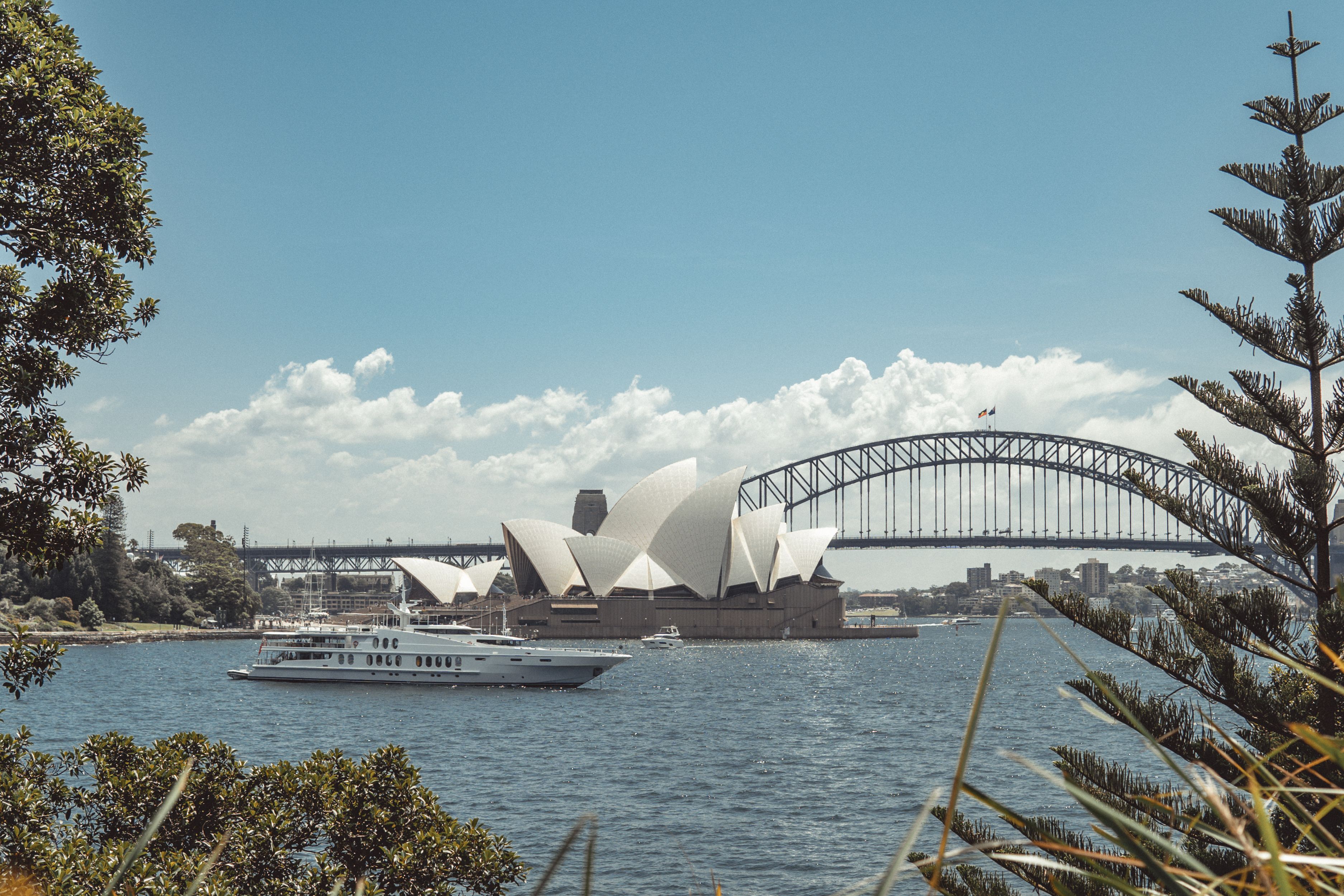
Sydney is one of the rare cities that improves when approached slowly. The Opera House and Harbour Bridge are not hidden in a distant business district; they frame the harbour itself, so the ship’s route becomes a moving introduction.
Make the harbour the organising idea of the day. Walk the foreshore, visit the Opera House if timings allow, then choose a neighbourhood rather than attempting the entire metropolitan area. The city rewards contrast: polished architecture at the water, leafy streets behind it, and beaches that feel far removed from the cruise terminal.
For a first visit, I would take a harbour walk over a long bus loop. It is less ambitious, but the point of Sydney is to notice how the city’s public life keeps returning to the water.
4. Alaska’s Inside Passage: the landscape is the excursion
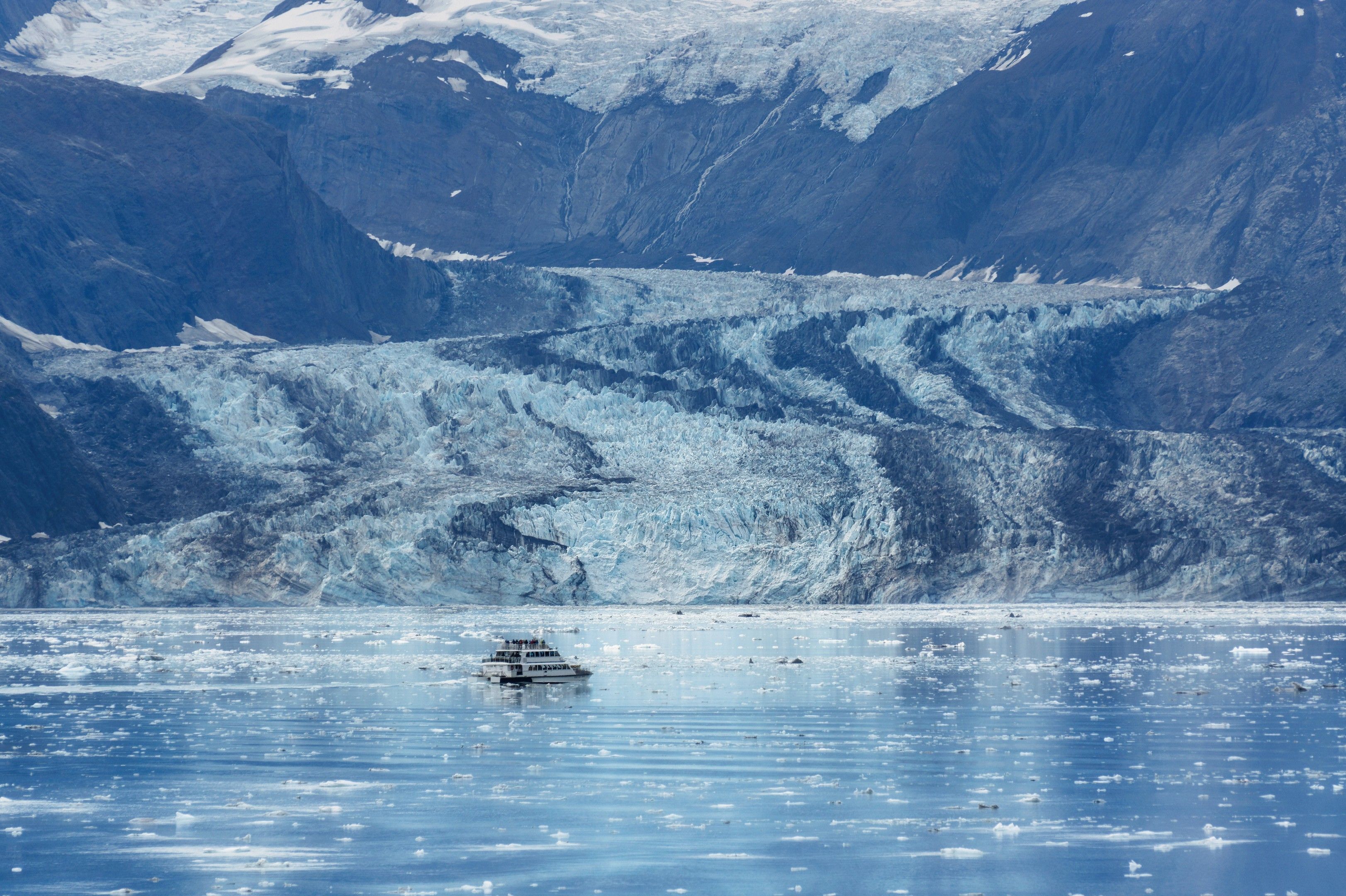
Alaska is where a cruise can feel less like transport and more like a slow-moving viewing platform. The Inside Passage combines dark water, forested shorelines, snowfields and tidewater glaciers; the scale keeps changing, but never becomes busy.
Do not overbook this part of the itinerary. Keep a warm layer and binoculars accessible, and treat glacier viewing as a full activity rather than the gap between shore excursions. Weather can change the mood quickly, which is part of the experience: a grey morning can make the ice look almost metallic.
The broader region also carries serious conservation responsibilities. Parks Canada describes the Alsek as a 250-kilometre wilderness river running through protected areas in Yukon, British Columbia and Alaska. You do not need to raft it to appreciate the point: this is a place where access depends on careful management, not just demand.
5. Cape Town, South Africa: mountain, city and ocean in one frame
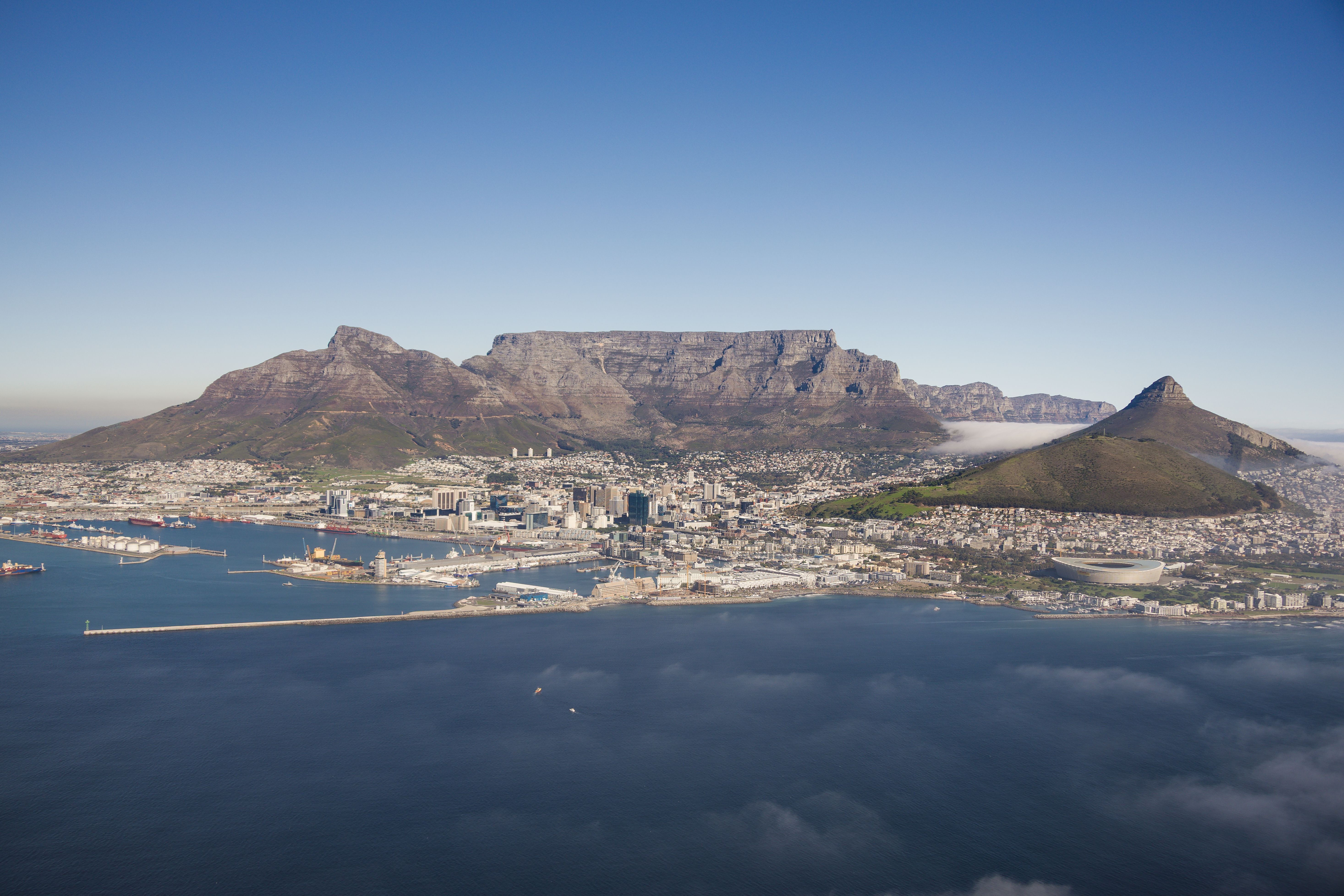
Cape Town has one of the world’s most convincing city approaches. Table Mountain rises behind the urban edge while the Atlantic opens in front of it, and the result feels more geological than architectural.
Build the day around one anchor: Table Mountain if conditions are clear, the coastline if they are not, or a museum and neighbourhood walk if the wind makes exposed viewpoints unpleasant. A cruise stop is too short for Cape Town’s entire story, but it is long enough to understand its geography.
Keep an eye on operating conditions for the cableway and other attractions, and use a reputable local guide if you want to travel farther from the port. The prettiest view is not worth turning a port day into a race against traffic.
6. Santorini, Greece: volcanic drama with a logistics problem
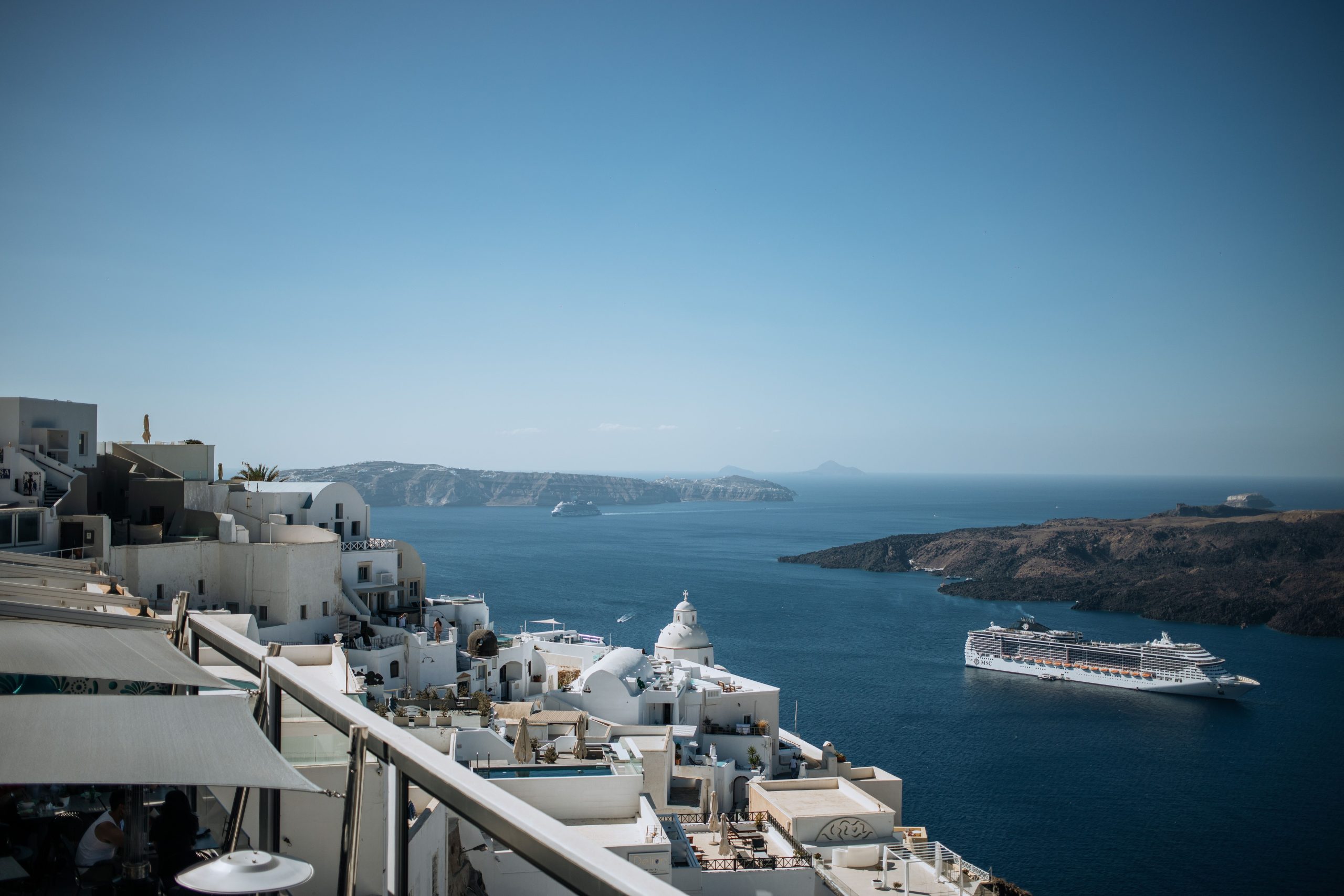
Santorini is beautiful in a way that is almost unfair: white buildings sit along a dark volcanic rim above a sea that seems too blue to be real. From the ship, the cliffs explain the island before any guide does.
It is also the destination on this list where the visual reward and the practical experience can diverge. Crowds, steep routes and tender-boat timing can consume the day. Go early when possible, choose either the caldera villages or a quieter inland plan, and do not assume that adding more viewpoints creates a better visit.
My preference is to leave room for a long lunch and a slow walk. Santorini is more memorable when it is treated as a place with a rhythm, not a set of blue-domed checkboxes.
7. Dubrovnik, Croatia: stone walls, clear water and a lesson in capacity
Dubrovnik’s old city is striking from the sea: terracotta roofs gather inside defensive walls, while the Adriatic supplies a hard blue edge. UNESCO calls it the “Pearl of the Adriatic” and notes the survival of Gothic, Renaissance and Baroque buildings after severe historical damage.
Walk the walls only if the weather and crowd levels make that comfortable, then descend into the lanes rather than spending the whole visit above the city. The old harbour and the coastline offer different versions of Dubrovnik, and both are worth seeing.
The city has also become a useful case study in cruise management. UNESCO records cooperation between Dubrovnik, the cruise industry and the Global Sustainable Tourism Council around responsible tourism and berthing policy. In plain terms, ship schedules affect the city. Visiting outside the busiest window, following local restrictions and spending time with independent businesses is a small but meaningful improvement.
8. The Great Barrier Reef, Australia: choose the reef, not just the port
A cruise call near Cairns or another North Queensland port is an invitation to plan carefully. The Great Barrier Reef is not one single snorkelling site but a vast protected ecosystem extending along the coast. UNESCO describes it as the world’s most extensive coral reef ecosystem, with habitats ranging from shallow inshore areas to waters beyond the continental shelf.
That scale means the operator matters. Pick an excursion that gives realistic time on the reef, clear safety briefings and a conservation policy you can understand. Do not confuse a glass-bottom viewing platform with the same experience as entering the water, but do not assume that snorkelling is automatically the more responsible option either; comfort, conditions and operator practice all count.
One encouraging example is the reef’s “Eye on the Reef” monitoring programme, highlighted by UNESCO as a collaboration between tourism operators, scientists and marine-park managers. Ask whether your chosen operator participates in local monitoring or conservation work. The answer will not change the colour of the coral, but it changes what your money supports.
9. Mumbai, India: a port city with more texture than a postcard
Mumbai is not conventionally serene, and that is exactly why it belongs on a world-cruise list. The city arrives as movement: ferries, colonial-era facades, busy markets, seaside promenades and a food culture that refuses to be reduced to one signature dish.
Plan for contrast rather than visual perfection. See the waterfront, choose one historic or cultural district, and leave time for the city’s ordinary street life. A guide can make the port logistics easier, especially when you are working within a ship’s all-aboard time.
For adult travellers researching independent evening options after a port call, verify legality, consent, safeguarding and transport arrangements yourself; Mumbai call girls is an external directory, not an endorsement or a suggested shore activity. Travelers continuing overland should apply the same caution when browsing Kolkata escorts.
How to choose the right stops for your cruise
Nine beautiful destinations do not make nine good choices for every traveller. Use three tests before booking a sailing:
- Does the approach matter? Venice, Sydney, Cape Town and Alaska are unusually rewarding before you step ashore.
- Can the shore time do the place justice? A short call suits a focused reef trip or harbour walk better than a city that requires hours of inland travel.
- What is the pressure on the destination? Venice, Dubrovnik and the Great Barrier Reef all benefit from visitors who spread out, spend locally and follow capacity or conservation guidance.
The most beautiful itinerary is rarely the one with the greatest number of ports. It is the one with enough sea days to absorb the transitions, enough time ashore to notice where you are, and enough restraint not to turn a living city or ecosystem into scenery.