There is no shortage of cruise itineraries in 2026. The harder question is which destinations are genuinely worth giving a week, or sometimes two, of your year to.
The answer is not simply the place with the prettiest port photos. A great cruise destination makes the days at sea feel like part of the journey, offers shore time that would be awkward to arrange independently, and gives you a reason to look up from the ship. The 2026 State of the Cruise Industry report from Cruise Lines International Association says global passenger volume reached 37.2 million in 2025, so popular does not necessarily mean peaceful or personal.
My ranking favors variety, scenery, cultural depth, and the destinations where a ship is genuinely useful rather than merely convenient. These are the seven I would put at the top of a 2026 shortlist.
At a glance: the best cruise destination for each kind of traveler
| Destination | Best for | What makes it stand out |
|---|---|---|
| Mediterranean | First-time cruisers | Ancient cities, food, beaches, and short transfers between ports |
| Alaska | Wilderness seekers | Glaciers, whales, forests, and scenery best appreciated from the water |
| Norwegian fjords | Landscape lovers | Waterfalls, steep mountains, and compact scenic sailing days |
| Japan | Culture-focused travelers | Efficient port access with major cities, gardens, food, and seasonal events |
| Galápagos | Wildlife travelers | Guided, tightly managed access to an unusually intimate ecosystem |
| Caribbean | Sun-and-sea travelers | Warm water, varied islands, and the widest range of ship styles |
| South Pacific | Long-haul dreamers | Remote islands, lagoon days, and a slower sense of scale |
1. The Mediterranean: the strongest all-rounder
If you are taking one cruise and want it to feel like a proper trip rather than a floating resort stay, choose the Mediterranean. It combines major historical sites, walkable old towns, beaches, islands, and food cultures that change noticeably from one port to the next.
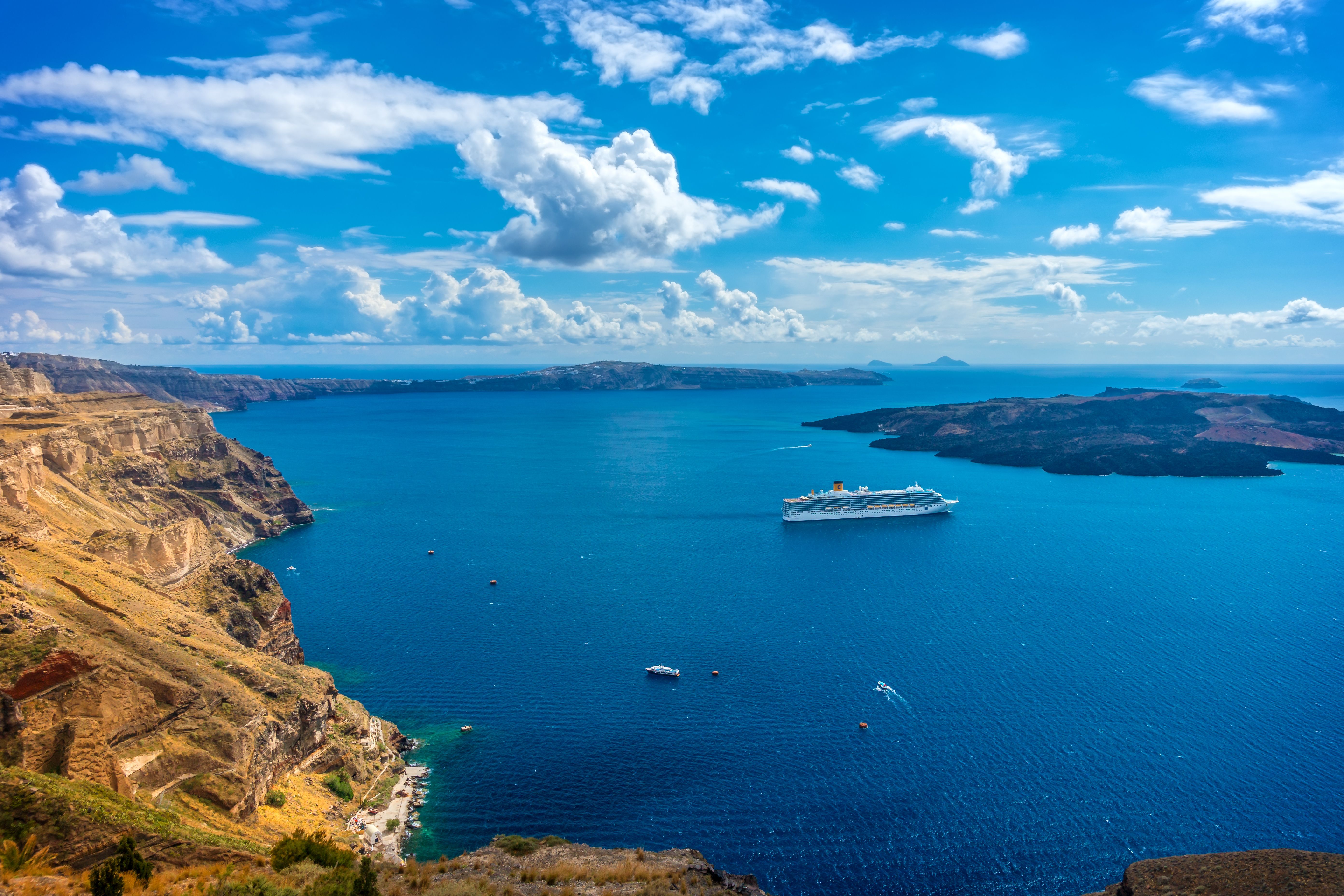
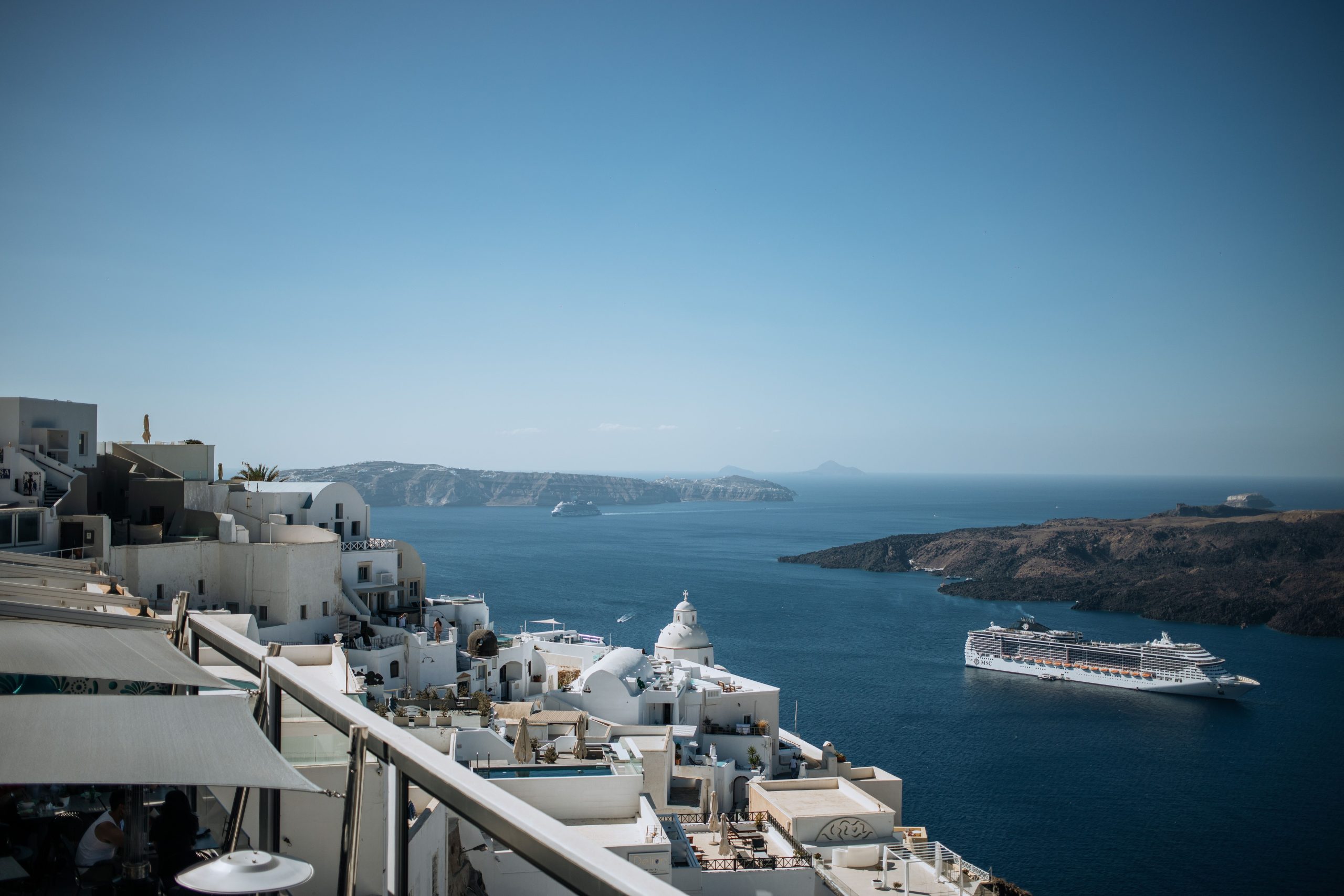
A Greek Islands route is the obvious postcard choice, with Santorini, Mykonos, Crete, and Athens often woven into the itinerary. The Greek National Tourism Organisation’s guide to Santorini’s caldera describes the volcanic landscape as an underwater crater formed by a major eruption, which is why the island looks so dramatic from the sea. An Italy-and-Croatia sailing offers a different rhythm: Rome or Naples, Sicily, Dubrovnik, Kotor, and Venice-area ports can turn one booking into a concentrated history lesson.
The catch is crowding. A port-heavy itinerary can leave you with six hours in a city and the false impression that you have “done” it. I would choose fewer ports with longer stays, or a shoulder-season sailing, over an itinerary that collects destinations like fridge magnets. If you add a night before embarkation, sort out city logistics early; travelers extending a stay in Hyderabad can also find local planning information through Hyderabad escorts.
2. Alaska: the cruise where the ship is the viewpoint
Alaska earns its place because the water is not just a route between attractions. In the Inside Passage and Glacier Bay, the ship is often the most comfortable viewing platform for a landscape of ice, mountains, forest, and wildlife that is difficult to reach overland.
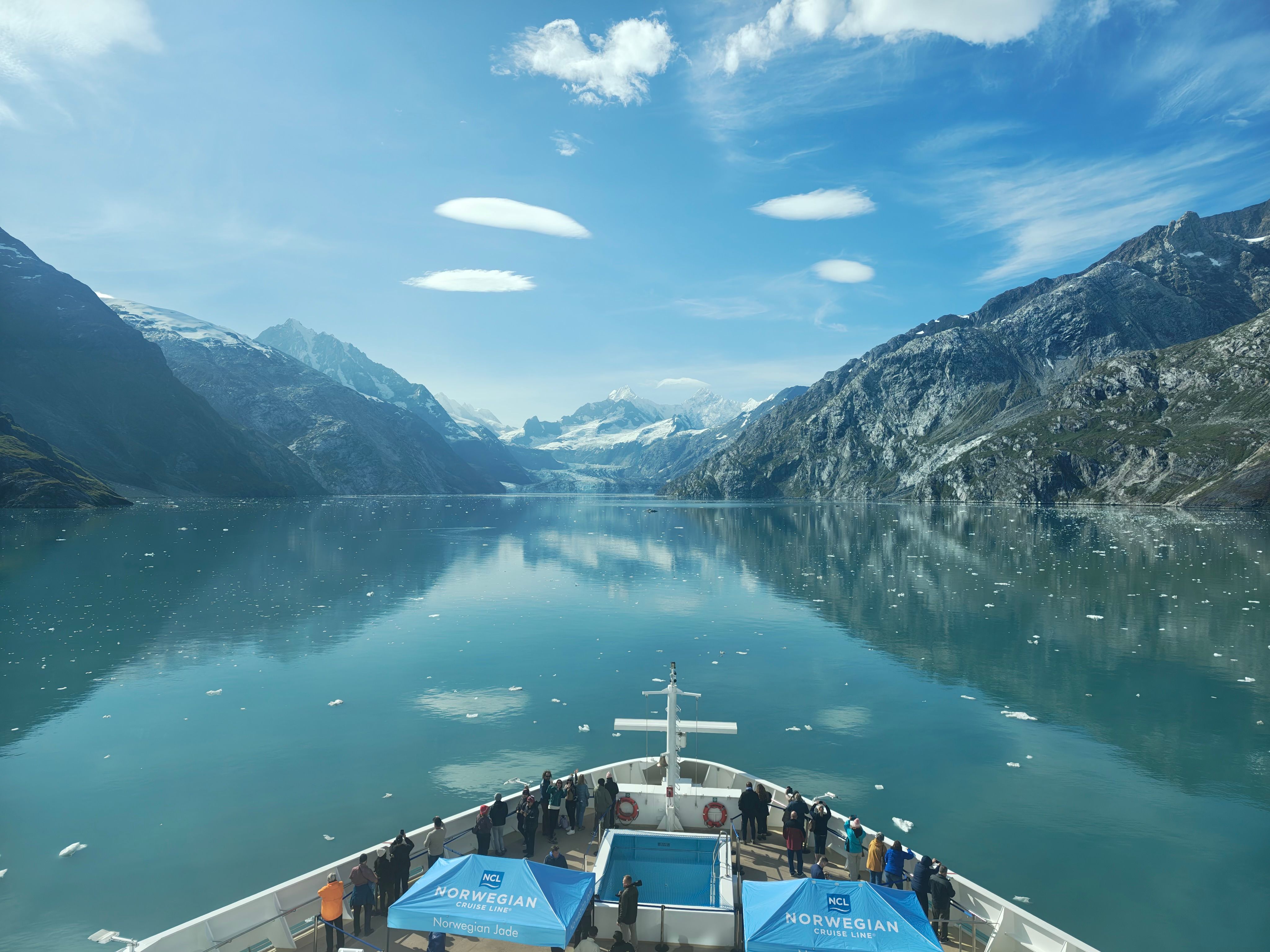
The U.S. National Park Service says cruise ships typically spend nine to ten hours in Glacier Bay, do not dock inside the park, and may have park rangers board to explain the ecology and history. That is a very different experience from ticking off a port shopping district. The NPS also warns that many Alaska cruises do not visit Glacier Bay, so the name of the region on a brochure is not enough; check the exact itinerary.
Choose Alaska if you enjoy observation more than constant activity. Bring binoculars, layers, and a willingness to spend time outside even when the weather is undecided. Juneau, Skagway, and Ketchikan add excursions and local history, but the real event is the quiet stretch when a glacier, whale, or bear makes everyone on deck stop talking.
3. Norway’s fjords: scenic sailing without the long-haul fatigue
Norway is the best choice for travelers who want dramatic scenery but do not want an expedition-style trip. You can reach the fjords from European hubs, unpack once, and spend days moving through landscapes that feel almost implausibly vertical.
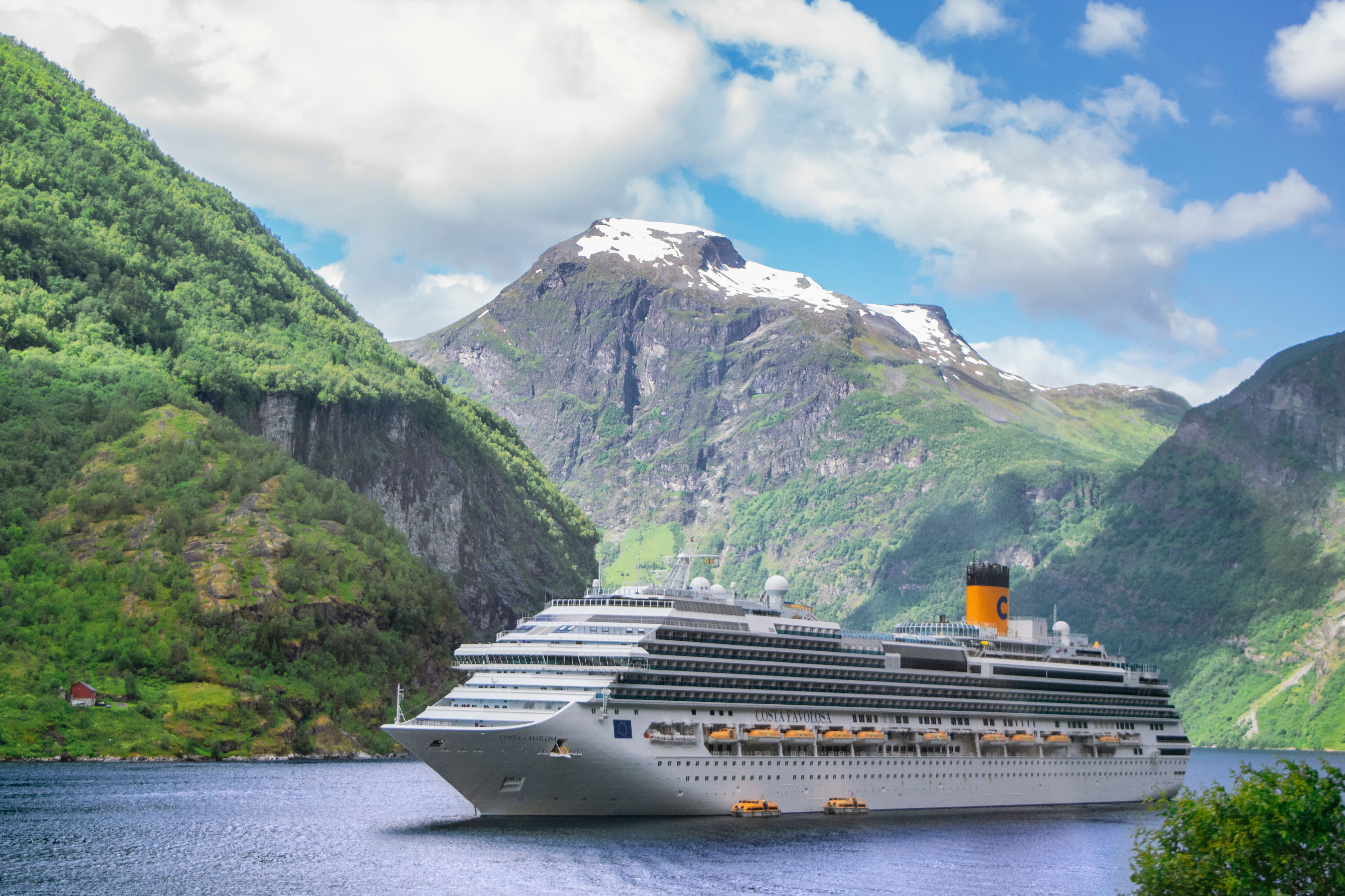
Geirangerfjord is the headline act, with steep mountains, waterfalls, and historic farms clinging to slopes above the water. Visit Norway’s official Geirangerfjord guide notes that the area can be explored by sightseeing cruise and that the fjord is part of the West Norwegian Fjords World Heritage setting.
Norway is also a good test of whether you actually like scenic cruising. There may be fewer blockbuster monuments than in the Mediterranean, but there are more moments when the view changes by degrees rather than by itinerary. Pick a balcony if the price is reasonable, though do not assume you need one: public decks can offer wider sightlines and a better chance to move with the scenery.
For a pre- or post-cruise city stay, Leeds-based travelers may want to compare local arrangements through Leeds escorts while organizing the practical side of the trip. Keep the fjord days flexible; weather can make a supposedly minor sailing change the most memorable part of the route.
4. Japan: the smartest choice for culture and convenience
Japan works unusually well as a cruise destination because its ports connect quickly to dense, rewarding cities. A single sailing can combine Tokyo-area access, Kyoto or Osaka, Hiroshima, smaller coastal cities, and South Korean or Taiwanese calls without asking you to repack every other night.
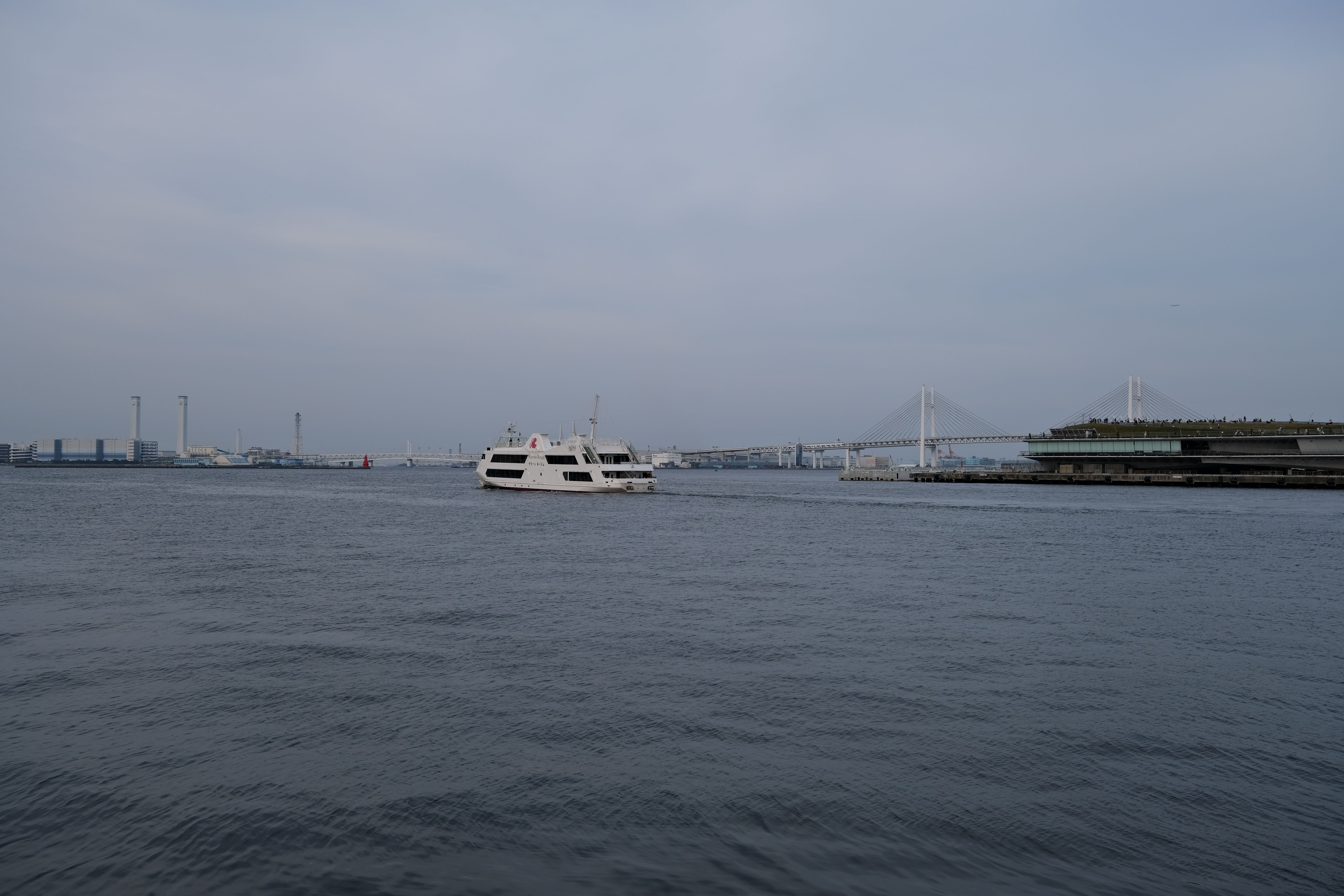
Yokohama’s Osanbashi Pier is more than a place to board. The Japan National Tourism Organization says the pier serves international cruise ships and offers views across the bay and cityscape. That makes a pre-cruise night in Yokohama or Tokyo especially worthwhile rather than treating embarkation as an airport transfer.
Season matters here. Spring sailings can align with cherry blossoms, while autumn brings cooler air and foliage in many regions, but neither is guaranteed on every route. Read the port times carefully: an overnight or late departure can be more valuable than one extra destination because it gives you room for a proper dinner, a museum, or an evening neighborhood walk.
Japan is my pick for travelers who want a cruise to simplify logistics without simplifying the destination. It is also the itinerary most likely to leave you wishing you had booked a land trip afterward.
5. The Galápagos: small-ship cruising with rules that matter
The Galápagos is not a conventional cruise holiday, and that is precisely its appeal. The ship is a base for guided landings, snorkeling, kayaking, and wildlife observation rather than a resort with a succession of beach stops.
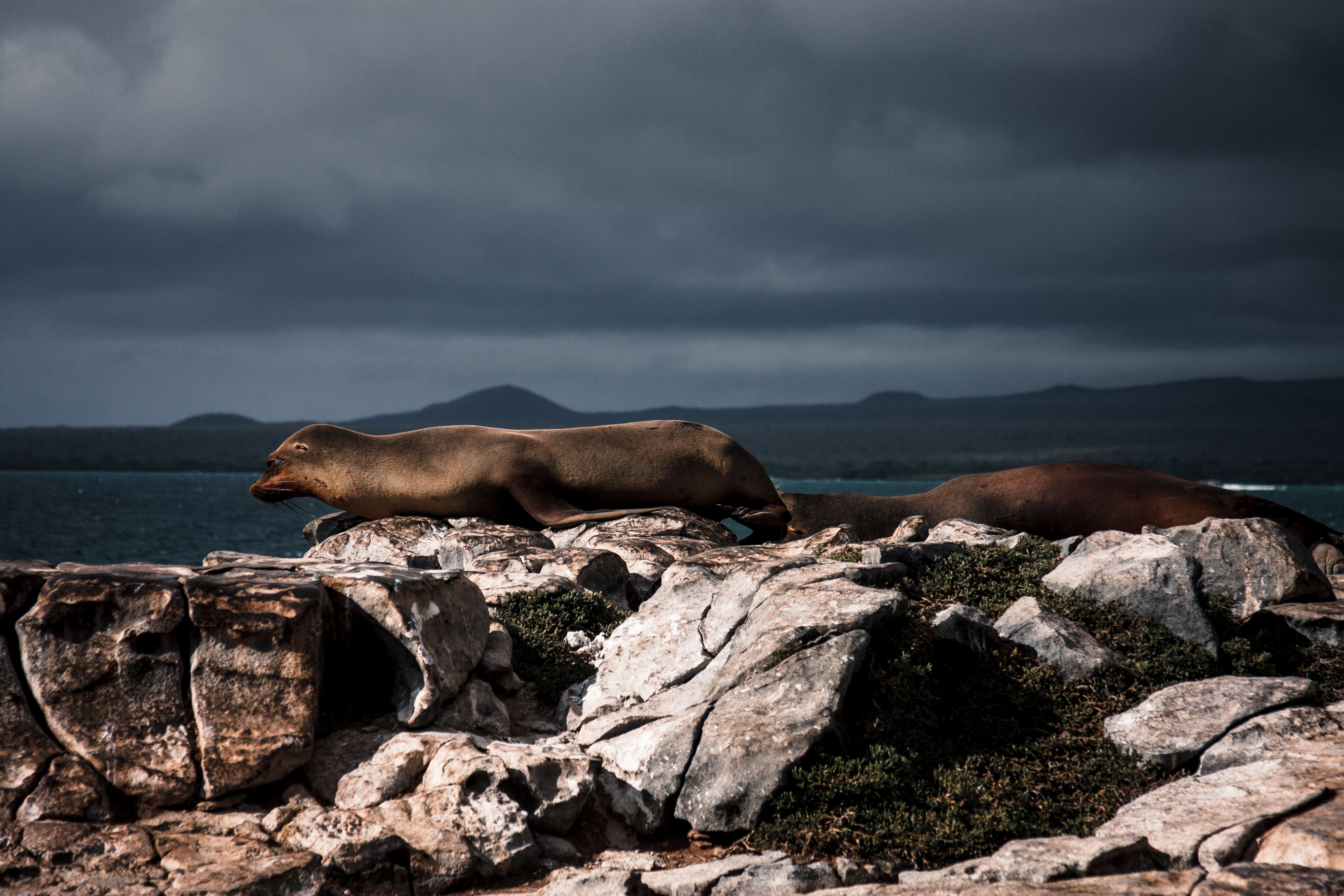
Access is tightly managed. Ecuador’s protected-area regulations state that navigable cruise tours may visit only authorized sites on approved itineraries; the rules also limit vessel capacity for that operating category. Visitors should expect naturalist guides, controlled landings, and instructions about staying on trails and keeping distance from animals.
That structure is not a nuisance to work around. It is the reason the experience can remain intimate. The strongest itinerary is not necessarily the one with the largest vessel or the longest list of islands; it is the one with enough time ashore, a knowledgeable guide, and a clear conservation standard.
Choose the Galápagos if wildlife is the point of the trip, not if you want a flexible day at a resort beach. It is also the destination where “eco” should be treated as something to verify in the operator’s practices, not a decorative word in the brochure.
6. The Caribbean: still the easiest warm-weather win
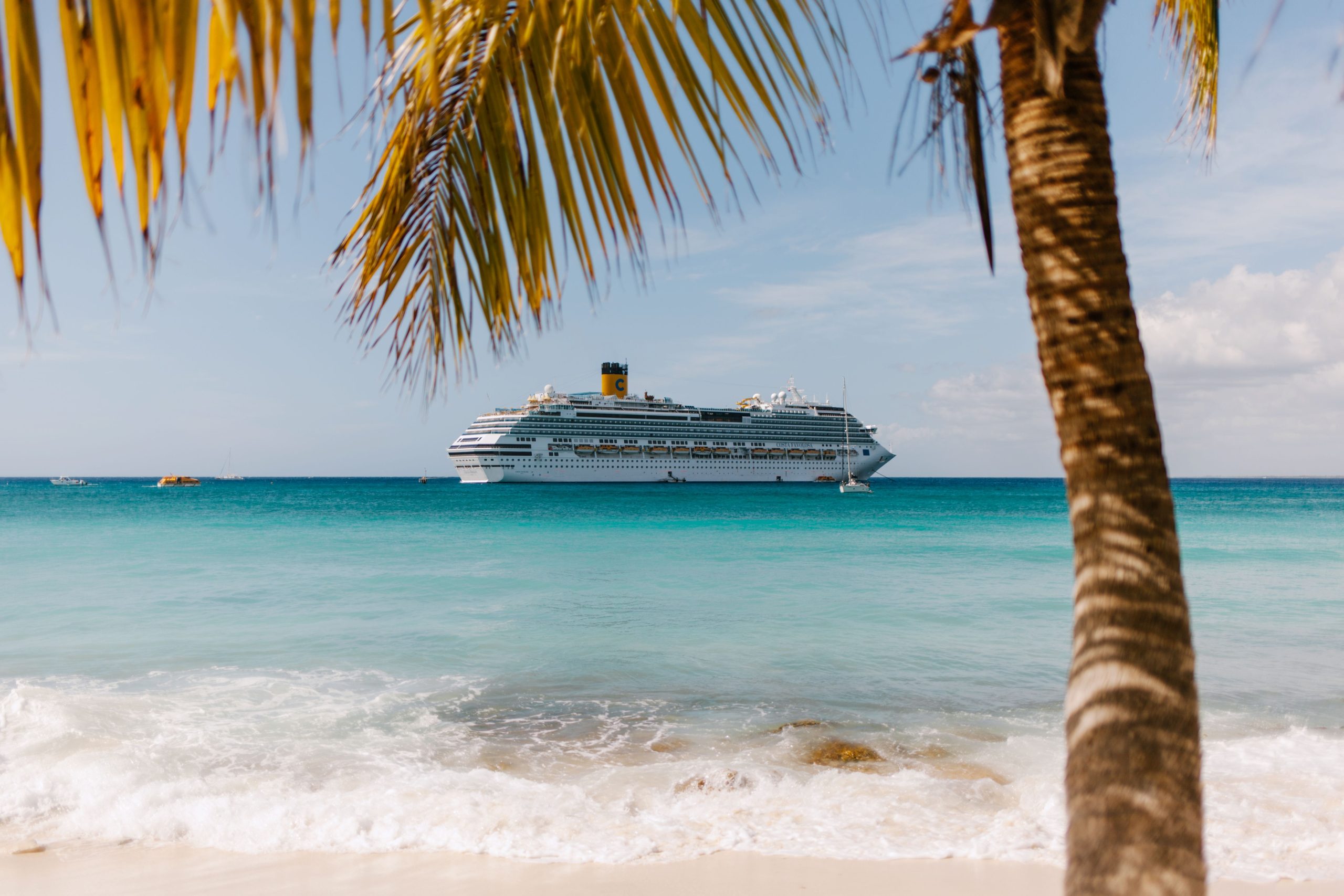
The Caribbean remains popular for a reason: it is simple to understand and hard to dislike. Warm water, reliable beach time, short flights from major North American gateways, and a huge range of ships make it the most forgiving choice for families, first-time cruisers, and groups with different ideas of fun.
The mistake is treating the Caribbean as one destination. Eastern routes lean toward St. Thomas, St. Maarten, Puerto Rico, and the Turks and Caicos; western sailings often emphasize Mexico, Jamaica, Belize, and Grand Cayman; southern itineraries trade some convenience for islands such as Barbados, St. Lucia, and Grenada.
Pick based on the ports, not only the ship. If everyone wants pools and water slides, the vessel may be the holiday. If you want food, music, hiking, or local history, choose a route with meaningful time ashore and research the port beyond the cruise terminal. A smaller ship can also change the feel of a Caribbean itinerary more than upgrading from an inside cabin to a balcony.
For a 2026 sailing, I would rather repeat a good island on a longer call than collect six ports with a rushed excursion at each one. The Caribbean is familiar; that does not mean it should be generic.
7. The South Pacific: the long-haul choice worth making
French Polynesia, Fiji, New Caledonia, and routes that connect Australia or New Zealand with Pacific islands are for travelers who want distance to be part of the reward. These itineraries often feel less like a checklist and more like a gradual change in scale: fewer urban ports, more lagoons, reefs, volcanic peaks, and days when the horizon is the main attraction.
The trade-off is practical. Flights can be expensive, schedules are less forgiving, and some itineraries spend long periods at sea. That is not a flaw if you enjoy reading, swimming, dining, and watching weather move across open water. It is a poor choice if you need a new excursion every morning.
Sydney is a common gateway for Australia-and-Pacific routes, so travelers extending their trip there may find Sydney escorts among the local services they research alongside hotels and transfers. Keep the cruise itself focused: a shorter island-hopping route may be more satisfying than an ambitious itinerary that tries to cover half the Pacific in one booking.
The South Pacific is my choice for the traveler who has already done the obvious cruise and wants the ocean to feel large again. It costs more effort to reach, but the reward is a route that does not resemble every other week on the water.
How to choose the right destination in 2026
Start with the experience you want to remember, not the ship you saw advertised. Choose Alaska or Norway for scenery, Japan or the Mediterranean for culture, the Caribbean for ease, the Galápagos for wildlife, and the South Pacific for remoteness.
- Book the Mediterranean if this is your first cruise and you want variety with manageable logistics.
- Book Alaska if you would be happy spending a full day watching a landscape change.
- Book Norway if scenery matters more than nightlife and landmark collecting.
- Book Japan if you want a culturally dense trip without changing hotels every night.
- Book the Galápagos if wildlife and conservation rules are central to your decision.
- Book the Caribbean if your group needs warmth, flexibility, and plenty of ship choices.
- Book the South Pacific if the distance itself is part of the dream.
Methodology
This list was built for travelers choosing a destination in 2026, not for comparing cruise lines or fares. I checked the 2026 CLIA industry report for the broader market context, official destination guidance from the U.S. National Park Service, Visit Norway, the Japan National Tourism Organization, Visit Greece, and Ecuador’s protected-area regulations. Port conditions, schedules, conservation rules, and prices can change, so confirm the exact itinerary and entry requirements with the cruise line and relevant destination authority before booking.
Final verdict
The best cruise destination in 2026 is the one where the ship gives you access you would struggle to reproduce on land. That makes the Mediterranean the safest all-round recommendation, Alaska the most emotionally powerful, and the Galápagos the most distinctive. But if you already know whether you want culture, wildlife, wilderness, warmth, or remoteness, the right answer is much easier: choose the route that makes the water part of the story.