
Home Blog

Best Accounting Software for MENA Small Businesses

Source: istizada.com

In many parts of the MENA region, small businesses are growing fast. Whether it’s a local store, an online seller, or a small service company, managing money well is always important. With taxes, daily sales, stock, and payments to handle, it can get confusing. That’s why using accounting software has become more common.

Today, software is not just for accountants. It helps small business owners understand their numbers better. You don’t need to be an expert to use it. Just a few clicks, and you can see how your business is doing.

Tax and VAT Support Made Easier

In countries like the UAE, Saudi Arabia, and Oman, VAT is now part of regular business. Filing VAT returns and making sure your invoices follow the law is something that must be done correctly.

Here’s how the best accounting software helps:

  • It creates tax invoices in both Arabic and English
  • It includes VAT automatically in each bill
  • It prepares VAT return forms like the UAE’s Form 201
  • It supports different VAT types: domestic, intra-GCC, reverse charge, zero-rated, and more
  • It handles supplies from Designated Zones, which have special rules

This saves time and lowers the risk of mistakes.

Source: stewartaccounting.co.uk

Stay on Top of Your Business With Better Reports

Running a business is not just about selling. You also need to know which product sells the most, which customer delays payment, or where you spend too much. Good software gives you reports that make these things clear.

Reports that help include:

  • Sales and purchase summaries
  • Customer payment history
  • Top-selling items
  • Business growth over weeks or months
  • VAT input and output totals

You can even choose how you want to view the reports – with numbers, charts, or simple tables.

The Significance of These Skills

Accounting software with these capabilities benefits small firms in a number of crucial ways, even without mentioning specific brands:

  • Time savings ─ Bank feeds, VAT return preparation, and automated invoicing cut down on paperwork and manual compliance work.
  • Error reduction ─ Prevent fines and rejections by using built-in validation for VAT categories and invoice sequences.
  • Financial clarity ─ Non-accountants may more easily and quickly grasp their financial health thanks to intuitive dashboards and visual reports.

Analytics & Reporting

Profit and loss, balance sheets, top-selling items, customer-ledger reports, VAT input/output summaries, and period-to-period business growth charts are among the important reports that owners should be able to create. These days, the majority of systems include choices for table-style, chart-based, and numeric presentation.

Source: intechhouse.com

Financial Visibility & Cash Flow

The most effective solutions provide user-friendly dashboards that display cash flow projections, aging receivables, expected payables, and unpaid customer balances. Financial uncertainty and administrative burden are decreased by automated payment reminders, bank reconciliation, and real-time summary reports.

Free and Open-Source Platforms to Take Into Account for Double-Entry Accounting Systems

Open-source bookkeeping and general ledger systems that support a variety of currencies, financial aspects (such project/trade), the aging of receivables and payables, and flexible invoicing. Some enable bilingual output by supporting per-customer language settings.

Platforms with Accounting Modules in the ERP Style

Financials, HR, inventories, and CRM are all integrated into web-based, modular platforms. They allow many languages and can be deployed on-premises or in the cloud. For instance, localization plugins can frequently enable Arabic. These enable gradual expansion as your company grows.

Free Accounting Software for Desktops

Simple desktop software for managing expenses, bank reconciliation, VAT reporting, and basic invoicing. Perfect for freelancers or lone proprietors who don’t need cloud or multi-user access.

Flexible Systems for Your Daily Needs

Small businesses have different ways of working. Some sell to shops, others sell directly to customers. A good accounting software fits into your system, instead of forcing you to change everything.

Here’s what to expect:

  • It works with both fast and slow sales cycles
  • It lets you manage both small and large orders
  • You can track pending orders and fulfilled ones easily
  • It helps with handling returns using debit and credit notes

This keeps your billing and customer experience smooth.

Source: clearbooks.co.uk

Manage Your Stock Without Stress

Keeping track of your products can be hard, especially if you store items in more than one place. Software makes this easier by letting you see your full inventory, wherever it is.

What it offers:

  • Sort stock by size, colour, type, or brand
  • Track items in racks, shelves, or godowns
  • Know when a product is low and needs reordering
  • Keep a list of old stock using ageing reports
  • Handle expiry dates for perishable products

This helps prevent loss, overbuying, and missing sales due to stockouts.

Keep Your Cash Flow Healthy

Many small businesses do great in sales but still face money problems. Why? They don’t keep track of who owes them or when they need to make payments. That’s where good software helps with cash flow management.

Key benefits:

  • See who paid and who still owes you
  • Get alerts for overdue payments
  • Plan future spending with cash flow forecasts
  • See your available funds at a glance

This gives you peace of mind and more control over your money.

Source: businessnhmagazine.com

Multi-Currency & Cross-Border Support

Software must support intra-region VAT regulations, manage exchange rates, and handle multi-currency transactions in order to serve GCC commerce or foreign clients.

Path of Modular Growth

Modularity is a feature of open-source systems; if your company expands, you can add payroll, CRM, project accounting, or ERP modules after starting with accounting and inventory.

Deployment Flexibility

Businesses can choose from the following options based on size, preference, and connectivity:

  • Systems based on desktops ─ Prefer one-time licensing and offline access. Ideal for warehouses or high-volume retail establishments.
  • Platforms that are cloud-based or hybrid ─ Perfect for mobile use, decentralized access, and integration with payment gateways or bank feeds.

Final thoughts

For any small business in the MENA region, keeping financial records is a must. Manual paperwork can lead to errors, delays, or missed payments. With the right accounting tool, all this becomes easier. By choosing the best accounting software for your needs, you don’t just save time; you build a stronger business. It helps you stay compliant, make better decisions, and grow without fear.


The Healing Power of Venting ─ Unlocking Emotional Well-being

The Healing Power of Venting

While many individuals might view venting as a sign of weakness or negativity, it is a crucial component of emotional health. Constructively expressing feelings can be enormously therapeutic, offering a release valve for pent-up emotions.

Venting allows for acknowledging and processing feelings, which is essential in managing stress and maintaining mental well-being.

Finding ways to express oneself openly can lead to significant psychological benefits, whether through writing, conversation, or other creative outlets.

Keep reading to explore the transformative effects of venting on emotional well-being.

Venting as a Coping Mechanism ─ Healthy vs. Toxic Outlets

While venting can be a healthy coping strategy, it’s integral to identify appropriate outlets. Confiding in a supportive friend or relative often brings the most significant benefits. These individuals tend to offer empathy and perspective that can aid in the processing of emotions. In contrast, these outbursts on someone directly involved in the source of frustration may intensify feelings rather than relieve them.

Seeking professional guidance through therapy provides a structured environment ideal for venting. Therapists are equipped with the tools to help identify the roots of emotional discomfort and can offer strategies for managing these feelings effectively. Alternatively, safe online platforms can also serve as an avenue to vent anonymously when seeking judgment-free expression.

Using social media or uninterested parties for this outlet can be counterproductive. This often becomes a public display, drawing unwarranted criticism and potentially compounding emotional distress. It’s crucial to discern between sharing for support and oversharing for attention, the latter often being a disguised cry for help.

Toxic venting, characterized by aggressive behavior or seeking validation for harmful actions, can damage relationships and mental health. It is imperative to vent to find relief and solutions rather than reinforce negative emotions or justify destructive behaviors.

Effective Venting to Improve Mental Health

Techniques for Effective Venting to Improve Mental Health

Adequate venting involves more than just speaking or writing down one’s frustrations—it requires being mindful of the intent, listener, and outcome. One technique is to set a timer, limiting the venting session to prevent overindulgence in negative feelings. This encourages a focused approach to addressing the issue at hand.

Another method is to practice expressive writing. This technique involves writing about emotional experiences to understand and overcome them. Expressive writing has been shown to improve emotional and physical health by cognitively reevaluating the experiences.

Choosing the right confidant is also key. Trust and respect are vital components when selecting a person to vent to. A listener who can remain neutral and offer constructive feedback aids significantly in turning venting from mere complaint to helpful catharsis. It’s important to reciprocate this support to create a balanced relationship.

Additionally, finding the appropriate time and place is essential. Venting in a private, comfortable setting allows for a safe space to express emotions. Engaging in a talking session when both parties are calm can result in more productive outcomes and prevent unnecessary escalation of emotions.

Source: pexels.com

Incorporating Mindfulness and Reflection into Your Venting Process

Taking a moment to breathe and center oneself before venting allows for a more controlled and meaningful expression. Mindfulness encourages living in the moment and acknowledging emotions without judgment, preparing the mind for a healthy processing of feelings.

Reflection after the outburst is equally essential. By considering the content and tone of the venting session, one can gain insights into personal patterns of thinking and reacting. Reflecting on what has been shared helps make conscious, deliberate changes in behavior and perspective.

Additionally, coupling venting with positive affirmations can create a balanced emotional expression. After releasing negative emotions, reinforcing positive thought patterns can prevent dwelling on negative sentiments and encourage a more optimistic outlook. This practice can lead to long-term improvements in mood and self-esteem.

Lastly, it’s beneficial to consider the actionable steps that can be taken after venting. This proactive approach moves one from simply expressing feelings to actively working towards resolving underlying issues. Mindful reflection on the causes of distress and potential solutions can transform venting into a powerful catalyst for personal growth and change.

Altogether, venting can be a powerful tool for emotional well-being when done mindfully and with the right intent. By choosing healthy outlets and incorporating reflection and mindfulness, individuals can transform their frustrations into opportunities for personal growth and improved mental health.

Venting as a Coping Mechanism

Recognize When to Pause and Reevaluate

Sometimes venting becomes repetitive, especially when emotions stay unresolved. When a person notices that venting no longer brings clarity or comfort, that’s the signal to pause. Constantly repeating the same frustration without a new insight only strengthens the problem rather than easing it.

Take time to ask direct questions:

  • Is this venting creating perspective or just habit?
  • Am I looking for support or validation for negative patterns?
  • Is the listener still engaged or emotionally drained?

These questions offer perspective. Emotional unloading without change keeps the mind trapped in the same emotional space. Progress starts when venting leads to clarity—not cycles.

If awareness grows that venting is no longer useful, shift the focus. Replace venting with goal-setting or decision-making. Use a journal to define outcomes. Speak to a coach, therapist, or mentor who can offer new tools. When venting ends with purpose, relief becomes action.

Constructive Listening ─ A Two-Way Exchange

Venting only works when someone listens. But passive hearing is not enough. Constructive listening means the listener creates safety without judgment, while also holding the speaker accountable for clarity and intent.

Key features of a good listener:

  • Maintains neutral tone and body language
  • Reflects back what they hear for accuracy
  • Encourages deeper insight rather than offering premature solutions
  • Doesn’t make the conversation about themselves

Supportive listeners also know when to ask, “Do you want advice, or do you just need to let it out?” That one question prevents misunderstanding and ensures both people know the boundaries. Venting should never burden the listener. Instead, it should build mutual understanding. If the listener becomes overwhelmed, it’s okay to pause the exchange and regroup later.

Listeners are emotional mirrors. They show us what we sound like. And sometimes, hearing our own thoughts reflected back is what finally brings clarity.

Source: hamzahj.com

Turn Venting into Emotional Awareness

Every venting session holds a message. Some speak of injustice. Others point to unmet needs. Emotional awareness begins when a person starts to listen to what they are really saying.

Instead of focusing on who caused the frustration, explore what the emotion reveals.

  • Anger often signals boundaries crossed
  • Sadness reveals loss or unfulfilled hopes
  • Anxiety suggests fear of future outcomes
  • Frustration points to blocked desires or a lack of control

By giving emotions clear names, we move away from vague overwhelm. That clarity allows for more effective conversations. Instead of saying, “I’m upset,” say, “I feel invisible when my opinion is ignored.” That shift invites resolution.

Emotional awareness also reduces regret. When people recognize their emotional patterns, they can pause before overreacting. They start choosing responses instead of reacting automatically. Venting becomes the first step to self-regulation, not an end in itself.

Conclusion

Altogether, venting can be a powerful tool for emotional well-being when done mindfully and with the right intent. By choosing healthy outlets and incorporating reflection and mindfulness, individuals can transform their frustrations into opportunities for personal growth and improved mental health.

It doesn’t require fixing every problem instantly ─ it invites clarity and emotional grounding. And with the right structure, it becomes a valuable part of building emotional resilience.

Pursuing Your Faith: Exploring the Benefits of an Online Seminary

Benefits of an Online Seminary
Source: tiu.edu

Discovering Flexibility in Faith: The Online Seminary Advantage

Balancing Life and Learning: A New Era of Accessibility

In today’s fast-paced world, many individuals grapple with the challenge of balancing their careers, family responsibilities, and educational pursuits. Online seminaries have emerged as a progressive solution, deftly accommodating the complexities of modern life. A paramount advantage of online education is the unparalleled flexibility it offers; students can tailor their study schedules to fit seamlessly with their personal routines. Instead of conforming to a rigid timetable, learners can engage in classes at their convenience, whether it’s early morning, late at night, or even during breaks in their workday.

This adaptability fosters inclusivity, allowing a diverse range of students—working professionals, parents, and even retirees—to access theological education that might otherwise be out of reach due to geographical limitations or time constraints. For those serving in ministry roles or involved in volunteer work, online seminaries present an opportunity to deepen their spiritual knowledge without sacrificing their commitments. This democratization of education aligns with the growing recognition that faith formation does not have to occur within the confines of traditional classrooms, making theological training accessible to anyone seeking to enhance their understanding of spiritual matters.

Tailored Learning: Customizing Your Spiritual Journey

online courses
Source: blog.ipleaders.in

Every individual’s faith journey is unique, shaped by personal experiences, cultural context, and spiritual aspirations. Online seminaries leverage this diversity by providing customizable learning experiences that cater to the specific needs and interests of their students. Through a variety of pathways, from comprehensive degree programs to individual online courses, students can select areas of study that resonate deeply with their spiritual journeys.

This level of personalization extends to course formats, with options ranging from interactive video courses to self-paced modules that allow students to work through material at their own speed. Additionally, many online seminaries offer various learning resources such as podcasts, webinars, and reading materials tailored to enhance the educational experience. Such flexibility encourages students to engage with the material in ways that resonate with their personal learning styles, enabling a deeper and more meaningful exploration of theological concepts. Consequently, students are not just passive recipients of information; they become active participants shaped by their own spiritual contexts and ambitions, thus fostering a vibrant learning environment.

Dive Deep into Theology: Unique Curriculum Offerings

From Classical Texts to Modern Applications: The Curriculum Spectrum

The scope of theological education available through online seminaries is as expansive as it is rich and varied. Students have the opportunity to engage with classical texts, such as the Bible and early church writings, while also exploring contemporary theological issues that are relevant to today’s society. This dual approach not only instills a strong foundation in traditional doctrines but also encourages students to apply these age-old teachings to pressing modern dilemmas.

For instance, many online programs now incorporate courses on social justice, interfaith dialogue, and environmental ethics, equipping future leaders with the tools to navigate complex societal landscapes. Moreover, students may find specialized offerings focusing on areas such as pastoral care, youth ministry, or missional theology, allowing them to tailor their educational experience further. The integration of classical texts with modern applications reflects a holistic approach to theological education, ensuring that students are prepared not only for academic rigor but also for the practical realities of ministry work.

This comprehensive curriculum is often punctuated by interactive elements such as group projects, case studies, and discussions that encourage critical thinking. As a result, students are not merely passive recipients of information; they become engaged thinkers, ready to confront and address the spiritual challenges of the contemporary world.

Specializations and Electives: Crafting Your Own Spiritual Focus

The ability to choose specializations and electives is one of the defining features of many online seminaries. This educational autonomy empowers students to delve deeper into topics that ignite their passion and provoke thought, fostering a sense of ownership over their coursework. Options often span various disciplines such as biblical studies, theology, church history, and even practical ministry skills.

This strategic selection process allows students to engineer their own unique educational experience that aligns with their personal goals and ministry aspirations. For example, a student may choose to focus on Christian counseling, thus acquiring the necessary skills to provide effective spiritual guidance while supporting individuals in crisis. Others might pursue studies in worship arts to cultivate their talents in music and liturgy, or delve into apologetics to enhance their ability to articulate and defend their faith.

The freedom to choose among diverse electives also promotes interdisciplinary learning, as students can integrate insights from fields such as psychology, sociology, and communications into their theological education. This multidimensional approach equips graduates with a holistic view of their chosen areas of focus, preparing them for varied ministry roles in an evolving spiritual landscape.

Building Community in a Digital Age: Connecting with Fellow Seekers

Virtual Classrooms: Engaging Discussions Beyond Borders

virtual classrooms
Source: trainingindustry.com

One of the most significant benefits of online seminaries is the ability to connect with like-minded individuals from across the globe. In traditional settings, geographical constraints can limit the diversity of perspectives students encounter. However, virtual classrooms break down these barriers, fostering an enriching environment where students engage in meaningful discussions with peers from different backgrounds, cultures, and faith traditions.

This diversity enhances the educational experience, exposing students to a plethora of viewpoints and encouraging them to consider issues through a broad lens. Engaging in discussions with international classmates can challenge preconceived notions and encourage students to explore the universal aspects of faith. The debates and collaborative projects that arise from this interaction can lead to profound insights, allowing students to confront their beliefs and deepen their understanding in ways they might not achieve within a more homogenous classroom setting.

Networking with Like-Minded Individuals: Forging Lasting Relationships

The relationships cultivated during an online seminary experience can extend well beyond the coursework, forming a robust support network that enhances both personal and professional development. Engaging with peers from different cultural and theological backgrounds provides opportunities for students to forge connections that might not otherwise develop in localized settings.

The Future of Faith Leadership: Preparing for Impact

Online Seminary
Source: churchofjesuschrist.org

Equipping Leaders in Crisis: Skills for 21st Century Ministry

The landscape of ministry has shifted dramatically in recent years, presenting unique challenges for faith leaders. Issues such as mental health crises, socio-political polarization, and the rapid advancement of technology necessitate a new approach to pastoral care and community leadership. Online seminaries recognize this need, focusing on equipping future leaders with relevant skills for 21st-century ministry.

Embracing Technology: Adapting Faith to an Evolving Landscape

The rapid integration of technology into all aspects of life has fundamentally transformed how faith communities engage with their members and outreach efforts. Online seminaries recognize the necessity for future leaders to embrace technological advancements, thus incorporating elements of digital literacy and online ministry into their curricula. This adaptation is imperative, as the church finds itself competing with a myriad of voices and distractions present in the digital age.

Are Solar Pool Covers Recyclable? What to Do When They Wear Out

Solar pool covers are a popular choice among pool owners looking to reduce energy costs, maintain water temperature, and minimize evaporation. These covers, often made from plastic materials with bubble wrap-like designs, effectively trap heat and provide insulation. However, like all pool accessories, solar covers have a limited lifespan.

Once they start to wear out, many pool owners wonder: Are solar pool covers recyclable, and what can be done when they reach the end of their usability?

In this article, we will explore the recyclability of solar pool covers, sustainable disposal methods, and eco-friendly alternatives to consider.

Understanding Solar Pool Covers and Their Lifespan

What Are Solar Pool Covers?

Solar pool covers, also known as solar blankets, are designed to float on the surface of the water and trap heat from the sun. They function by:

  • Reducing water evaporation, which helps conserve pool water levels.
  • Retaining heat, thereby minimizing the need for additional heating.
  • Reducing chemical loss due to exposure to air and sunlight.
  • Preventing debris from entering the pool, making maintenance easier.

These covers are typically made from plastic materials such as polyethylene, polypropylene, or vinyl. While effective, they do wear out over time due to prolonged exposure to sunlight, chlorine, and other pool chemicals.

How Long Does Solar Pool Covers Last?

On average, a solar pool cover lasts between 3 to 5 years. Factors that affect the longevity of a solar pool cover include:

  • Exposure to UV radiation – Constant exposure to the sun can cause the plastic to degrade.
  • Chemical exposure – High chlorine levels and other pool chemicals can weaken the material.
  • Proper maintenance – Cleaning and storing the cover correctly can extend its lifespan.
  • Frequency of use – Covers that are frequently removed and replaced may wear out faster.

Are Solar Pool Covers Recyclable?

The short answer is ─ it depends.

Solar pool covers are primarily made from low-density polyethylene (LDPE) or other plastics, which are theoretically recyclable. However, recycling centers often reject them due to their composition and the contamination from pool chemicals and UV degradation.

Why Are Solar Pool Covers Difficult to Recycle?

  1. Material composition – Some pool covers are made from mixed plastics, making them challenging to recycle.
  2. Chemical exposure – The chlorine and other chemicals absorbed into the plastic can make recycling difficult.
  3. Degradation from UV Exposure – Sunlight weakens the plastic, reducing its recyclability.
  4. Lack of specialized facilities – Most municipal recycling programs do not accept pool covers because they require specialized processing.

How to Find a Recycling Facility That Accepts Pool Covers

While it may be challenging, some recycling centers do accept solar pool covers under specific conditions. Here’s how to find one:

  • Check with local recycling programs – Contact your municipal waste management office and inquire about options.
  • Look for plastic recyclers – Some private companies specialize in recycling LDPE and may accept solar covers.
  • Ask pool supply retailers – Some stores offer recycling programs for used pool covers.

If recycling is not an option in your area, consider repurposing your old solar pool cover instead of sending it to a landfill.

Eco-Friendly Alternatives ─ What to Do When a Solar Pool Cover Wears Out

Repurposing Your Old Solar Pool Cover

Even if you can’t recycle your old cover, there are several creative ways to repurpose it:

  1. Ground cover for gardening – Use it as a weed barrier in your garden or under gravel paths.
  2. Protective tarps – Cut it to size and use it to cover outdoor furniture, firewood, or vehicles.
  3. Insulation for greenhouses – The heat-retaining properties make it a great material for insulating a greenhouse.
  4. Camping and outdoor uses – Use old pool covers as tent ground sheets, emergency rain covers, or windbreaks.
  5. DIY pool cover storage bags – If you’re replacing your cover, use the old one to create a storage bag for the new cover.
  6. Pet and animal bedding – Cut and layer sections to make bedding for outdoor pet houses or livestock shelters.

Proper Disposal If Recycling and Repurposing Are Not an Option

If recycling and repurposing aren’t feasible, follow these responsible disposal steps:

  • Cut the cover into smaller pieces – Breaking it down into smaller sections makes it easier to transport and dispose of properly.
  • Check for waste collection days – Some local waste management services offer bulk plastic collection days.
  • Contact a specialized disposal service – Some companies handle large plastic items and may take your old pool cover.

Sustainable Pool Cover Alternatives

If you’re looking for a more environmentally friendly replacement, consider these options:

1. Safety Pool Covers

Safety covers made from mesh or solid vinyl offer long-lasting durability and serve multiple purposes, including debris protection and child safety. Some brands use recyclable materials.

2. Liquid Solar Pool Covers

These eco-friendly solutions use a thin, invisible layer of biodegradable liquid that reduces evaporation and retains heat.

3. Automatic Pool Covers

These covers are made from high-durability materials and can last longer than traditional solar covers, reducing replacement frequency and waste.

Tips to Extend the Life of Your Solar Pool Cover

To minimize waste and maximize the lifespan of your next solar pool cover, follow these maintenance tips:

  1. Rinse regularly – After removing the cover, rinse it with fresh water to remove chemicals and debris.
  2. Use a reel system – A pool cover reel makes it easier to handle the cover and prevents excessive folding and creasing.
  3. Store properly – Keep it in a shaded or covered area when not in use to protect it from UV exposure.
  4. Avoid dragging on rough surfaces – Lifting rather than dragging prevents unnecessary wear and tear.

  5. Monitor chemical levels – Keeping pool chemicals balanced reduces material degradation.

Conclusion

While solar pool covers provide excellent benefits for pool owners, their disposal at the end of their lifespan poses environmental challenges. Unfortunately, recycling them is not always a viable option due to material composition and contamination. However, repurposing them for various household and outdoor uses can help reduce waste.

Choosing the Right Pool Enclosure to Handle Snow with Ease

Pool Enclosure to Handle Snow with Ease

When it comes to ensuring your pool area remains functional and safe during the winter months, a pool enclosure designed to withstand snow is a key investment. While most pool enclosures are built to protect from wind and rain, it’s essential to focus on an enclosure that can handle the additional weight and potential damage caused by snow accumulation. In this article, we will explore the features and benefits of a snow-resistant pool enclosure, without requiring you to worry about snow removal or the risk of sagging panels.

Why Choose a Snow-Resistant Pool Enclosure?

Snow-Resistant Pool Enclosure

Winter conditions bring unique challenges for homeowners with pools, especially when heavy snow falls. A pool enclosure must not only protect your pool from the cold elements but also ensure the structure can bear the weight of accumulated snow. Without proper protection, the snow can cause damage, such as sagging panels, rust, or in extreme cases, collapse.

Choosing a pool enclosure that can handle snow is not just about durability. It’s about peace of mind. Homeowners who live in areas with harsh winter weather understand the importance of selecting materials that perform well in snow-heavy conditions. After all, the last thing anyone wants is to deal with repairs or replacements due to weather-related damage.

Key Features of a Snow-Resistant Pool Enclosure

Here are the essential elements to consider when selecting a pool enclosure that can handle the snow with ease designed to withstand snow.

Strong, Durable Panels

One of the most important features of a snow-resistant pool enclosure is the strength and durability of the panels. Many enclosures are made with lightweight materials that can sag or break under the pressure of heavy snow. However, modern pool enclosures are designed with robust, weather-resistant materials that won’t sag. Our enclosures are specifically engineered to support the weight of snow without compromising the integrity of the structure. This means you won’t have to worry about repairs or adjustments after a snowstorm.

Stainless Steel Fasteners for Rust-Free Durability

Another crucial consideration is the fasteners used to secure the enclosure. Many traditional enclosures use low-quality materials, such as galvanized steel, which can rust and weaken over time, especially when exposed to moisture and snow. To ensure long-term durability, we only use stainless steel fasteners in our pool enclosures. Stainless steel fasteners are corrosion-resistant, so you won’t have to worry about rust weakening the structure, even in the harshest winter conditions.

No Need for Snow Removal

While some pool owners worry about having to manually remove snow from their enclosures, this is not an issue with our designs. Our snow-resistant enclosures are built to handle snow naturally. You won’t need to clear snow off the panels or worry about damaging the structure. This makes it an ideal choice for those who want a low-maintenance solution and want to avoid the hassle of seasonal snow removal.

Designed to Handle Extreme Weather Conditions

Our pool enclosures of covers in play are designed with the latest weather-resistant technology to ensure that they perform well under extreme conditions. Whether it’s a heavy snowstorm, freezing temperatures, or high winds, our enclosures are tested to meet the challenges of winter weather. This means you can trust that your pool and enclosure will remain safe, protected, and functional throughout the cold months.

Sleek and Functional Design

Snow-resistant pool enclosures don’t have to compromise on design. Our enclosures offer a sleek, modern aesthetic that will enhance the look of your pool area, while still being built to withstand heavy snow loads. Whether you have a traditional pool or a more contemporary setup, our enclosures are customizable to fit the unique style of your outdoor space.

Maintaining Visibility and Natural Light

quality pool enclosure

It’s not just about protection – a quality pool enclosure should also provide clear visibility and natural light. Our enclosures are built with high-quality materials that allow plenty of sunlight to enter the pool area, even during the darkest days of winter. This means you can enjoy your pool year-round, with no loss of visibility or ambiance, no matter the weather outside.

How Our Snow-Resistant Pool Enclosures Compare

When comparing different pool enclosures, there are several important factors that set our design apart. Unlike traditional screen enclosures that may not be built to withstand snow or may require regular maintenance, our enclosures are built for durability and ease of use.

No Sagging Panels

One of the most common complaints with traditional pool enclosures is that the panels can sag or warp over time, especially in areas with heavy snow. Our panels are reinforced to ensure they remain structurally sound, even when covered in snow.

Stainless Steel Fasteners

Stainless Steel Fasteners for pool

While many pool enclosures use fasteners that are prone to rusting or deterioration, we use stainless steel fasteners that are resistant to corrosion, ensuring the long-lasting quality of your pool enclosure. This means no worrying about rusted screws or bolts compromising the integrity of your structure.

Maintenance-Free

Unlike some enclosures that require regular maintenance or snow removal, our enclosures are designed to handle the elements without requiring extra care. This makes it easier to enjoy your pool without the hassle of upkeep during the colder months.

The Benefits of Investing in a Snow-Resistant Pool Enclosure

Investing in a snow-resistant pool enclosure is not just about keeping your pool protected from the elements. There are numerous benefits that make this choice worthwhile:

  • Year-Round Use: With an enclosure designed to handle snow, you can enjoy your pool year-round without worrying about winter damage or having to close it for the season.
  • Increased Durability: Our enclosures of covers in play are built to withstand the toughest conditions, ensuring that your investment lasts for years. You’ll avoid the need for costly repairs or replacements, making it a more affordable option in the long run.
  • Safety and Security: Besides protecting your pool from the snow, a durable enclosure also provides safety and security. Whether you’re keeping pets or children out, or simply protecting the pool from debris, our enclosures offer a reliable solution.

Conclusion

Choosing a pool enclosure that can handle the snow with ease is an important step in ensuring the safety, functionality, and durability of your pool area during the winter months. With features like strong, non-sagging panels, rust-free stainless steel fasteners, and a design that doesn’t require snow removal, our enclosures offer a hassle-free solution for homeowners looking for long-lasting protection.

Investing in a snow-resistant pool enclosure is more than just about aesthetics – it’s about ensuring that your pool remains an enjoyable and functional part of your outdoor space, no matter what the winter weather brings.

Exploring Horseback Riding in the Mountains

Source: triplecreekranch.com

Horse riding in the mountains is an adventurous activity that takes you through discovery and serenity. You discover the rugged landscape and breathtakingly beautiful scenery as you traverse them; this develops deep communication with the horse and surroundings.

This fun activity is an exciting pastime but also enables you to have a deeper immersion into the calmness and beauty of mountainous regions.

Why Horseback Riding in the Mountains is Unique

Horseback riding in the mountains is an experience like no other. The rolling contours, varied flora and fauna, and breathtaking views make it an exceptional setting for any horse rider. In contrast to riding on flat terrains, mountainous trails present a challenge to the horseman and horse alike, developing greater teamwork and trust between man and animal.

What makes it special is the sheer diversity of the experience. Whether meandering through alpine meadows, crossing crystal-clear streams, or scaling steep inclines, each moment provides an opportunity to appreciate the beauty and majesty of nature.

Benefits of Horseback Riding in the Mountains

Mountain horseback riding can be very good for both the physical and mental health of the individual. While riding a horse, one must maintain balance and coordination, along with core strength, which develops overall physical fitness. The mental health benefits are equally massive; the clean mountain air, beautiful scenery, and the movement of the horse all create a soothing effect and help reduce stress and increase mindfulness.

Connection with Nature

Riding in the mountains offers a break from the constant rush of daily life. The silence and stillness of the atmosphere bring about calmness and renewed energy. For horseback riding, the atmosphere allows the sights and sounds, such as leaves rustling in the wind, birds chirping, and making horseback riding in the mountains a truly immersive experience.

Skill Development

Horseback riding over mountain trails teaches several skills. The rider becomes more responsive in communicating with his horse, reads the challenges ahead on the trail, and accommodates varied terrain. All this is crucial to equestrian enthusiasts looking for deeper knowledge and expertise.

The Essential Gears for Mountainous Horseback Riding

For safe and enjoyable experiences, the proper gear is indispensable. Some essentials include:

  • Riding helmet ─ Protects one’s head in case of potential head injuries.
  • Sturdy boots ─ Provide grip and help prevent slipping.
  • Comfortable clothing ─ Ensure flexibility and protection from the elements.
  • Saddlebags ─ Useful for carrying essentials like water, snacks, and first-aid kits.
  • Trail maps and GPS ─ Crucial for navigating unfamiliar routes.

Investing in high-quality gear enhances the overall experience and ensures the safety of both the rider and the horse.

Preparing for Your Mountain Horseback Adventure

Source: visitbigsky.com

The right horse is key to a successful mountain ride. Choose a sure-footed, well-trained horse that is accustomed to rugged terrains. Horses with experience in mountainous areas are better prepared for steep inclines, uneven paths, and sudden obstacles.

Training and Practice

Before heading into a mountain trail, riders should have basic horseback riding skills. Practice in controlled environments builds confidence and familiarity with riding techniques. Spending time with the horse before the ride also helps build a bond, which ensures smoother communication during the ride.

Physical Preparation

Riding in the mountains can be strenuous. The rider should, therefore, be physically fit and exercise regularly to build stamina and strength. Stretching exercises are very effective as they increase flexibility and reduce the chances of muscle strain.

Popular Destinations for Horseback Riding in the Mountains

The Rocky Mountains have some of the most spectacular horseback riding trails. From lush valleys to snow-capped peaks, riders can explore a diverse range of landscapes. Popular trails include Estes Park in Colorado and Banff National Park in Canada.

The Himalayas

Those interested in a more exotic adventure will find the Himalayas to be a breathtakingly beautiful backdrop. Riders can travel along ancient trade routes, visit traditional villages, and marvel at towering peaks.

The Andes

South America’s Andes Mountains are another prime destination for horseback riding. The trails offer a mix of challenging terrains and stunning vistas. Riders can explore regions like Patagonia and the Sacred Valley, immersing themselves in the rich history and vibrant ecosystems.

Tips for a Safe and Enjoyable Ride

Source: telluride.com

Planning is key to a successful mountain horseback ride. Research the trail, check weather conditions, and review local regulations beforehand. Inform someone about your itinerary and expected return time.

Stay Hydrated and Nourished

Pack plenty of water and nutritious snacks to stay energized. Mountain trails can be physically demanding, so it’s important to maintain energy levels throughout the ride.

Respect the Environment

Practicing Leave No Trace principles is essential when riding in the mountains. Avoid disturbing wildlife, stick to designated trails, and carry out all trash. Respecting the environment ensures that these natural spaces remain pristine for future generations.

Listen to Your Guide

If you’re riding with a guide, pay close attention to their instructions. Guides are familiar with the terrain and can provide valuable insights to enhance your experience and ensure safety.

Memorable Moments on Horseback Rides in the Mountains

Every mountain ride has wonderful, unforgettable moments. From spotting deer and eagles to watching the sun rise over the peaks and witnessing stunning sunsets, the experience is truly magical.

Conclusion

Mountain horseback riding is more than an activity, for it brings along opportunities to connect with nature, test yourself, and make those memories cherished in life. No matter if one is a pro or just learning how to ride a horse, there is something to be had from the mountains for everyone. Saddle up, then, for a journey full of adventure, quiet, and appreciation for nature in all its majesty.

The Best Supplements for Getting Bulked Up ─ What You Need to Know

Source: health.com

Many people want to bulk up and improve their physique, especially those who are into fitness and working out. However, gaining muscle takes more than just lifting weights in the gym. It involves understanding your body and what it needs to grow.

Are you ready to uncover the best supplements to help you get bulked up? Let’s explore what you need to know to reach your fitness goals.

Understanding Bulking Up

Bulked up is a term used to describe the process of gaining muscle mass. It usually involves a combination of strength training exercises and the right nutrition. This is where supplements come into play.

Many individuals struggle to get enough nutrients solely from food, which is why supplements can be beneficial. Not only do they fill nutritional gaps, but they also support muscle growth and recovery.

Why Supplements Matter

Source: everydayhealth.com

Even if you follow high-protein diets, you might not always consume adequate amounts of other important nutrients. Supplements can help boost your nutrition, providing your body with the essential vitamins and minerals it needs to function effectively during workouts.

By incorporating them into your regimen, you can enhance your performance, improve your recovery time, and ultimately build muscle faster. To enhance your understanding of how to achieve your fitness aspirations, visit (https://www.wilsonsupplements.com) for more valuable resources and products.

Popular Supplements for Bulking Up

Here are some of the best supplements that can assist you on your journey to getting bulked up:

Protein Powders

Protein powders are perhaps the most popular supplements for anyone looking to gain muscle. They provide a convenient way to increase your protein intake, essential for repairing and building muscle tissue.

Whey protein is particularly favored because it is quickly absorbed by the body, but there are plant-based options like pea and soy protein as well.

Creatine

Source: zizacious.com

Creatine is another supplement widely used by athletes and bodybuilders. It enhances your strength by providing additional energy for high-intensity workouts. Using creatine can lead to improved performance in short bursts of intense activity, which is crucial for muscle building.

Branched-Chain Amino Acids (BCAAs)

BCAAs consist of the three essential amino acids: leucine, isoleucine, and valine. They play a vital role in muscle recovery and growth. Supplementing with BCAAs before and after workouts can help reduce muscle soreness, allowing you to train harder and more frequently.

Beta-Alanine

This supplement can improve athletic performance by increasing endurance. Beta-alanine helps buffer acid in muscles, reducing fatigue during intense workouts. This allows you to push through those last few reps, ultimately leading to increased strength and muscle size over time.

Omega-3 Fatty Acids

Known for their anti-inflammatory properties, omega-3 fatty acids can play a crucial role in recovery following your workouts. They help reduce muscle soreness and support heart health, which is vital for anyone engaging in intense physical activities.

How to Choose the Right Supplements

Source: healthline.com

When deciding on supplements to support your muscle gain, it’s important to choose high-quality products. Here are some additional tips to guide you in choosing the right supplements for your fitness goals:

Research the Ingredients

Make sure to familiarize yourself with the ingredients in the supplements you are considering. Research the benefits, recommended dosages, and potential side effects of each ingredient.

Choose supplements with proven ingredients that support muscle growth. Look for protein, creatine, BCAAs, and beta-alanine.

Consult a Healthcare Professional

Before adding new supplements, consult a healthcare provider. This is important if you have any conditions or take medications. They can provide personalized recommendations based on your health needs and fitness goals.

Incorporating Supplements into Your Meal Plans

Source: listonic.com

To get the best results, you should incorporate supplements into a solid bulking meal plan. A bulking meal plan should focus on high-calorie foods rich in protein, carbohydrates, and healthy fats. Here are a few tips on crafting your meal plan:

Prioritize Protein

Include a range of protein sources like poultry, fish, eggs, legumes, and dairy in your diet. Your meals should include protein-rich foods with every snack and meal to support muscle repair and growth.

Increase Caloric Intake

To bulked up effectively, consume more calories than your body burns. Incorporate calorie-dense foods, such as nuts, avocados, and whole grains, into your meals.

Stay Hydrated

Drink plenty of water to support overall health. Hydration is important not only for general well-being but also for muscle function and recovery.

Plan Your Meals

Create a balanced meal plan that ensures you’re hitting your nutritional goals. A bulking diet should have 40% carbs, 30% protein, and 30% fats for best results. So, watch your macro ratios.

Strength Training Exercises

Source: strengthlog.com

Supplements can boost your muscle-building efforts. But, you must do strength training. Here are some effective exercises to incorporate into your routine:

Squats

Squats are a fantastic compound exercise that activates many muscles in your body, particularly your legs and core. They are critical for building overall strength and muscle size.

Deadlifts

Deadlifts target several major muscle groups, including your back, glutes, and hamstrings. This powerful exercise is incredibly beneficial for anyone who wants to bulk up.

Bench Press

The bench press is an excellent option for building upper body strength. It primarily focuses on your chest, triceps, and shoulders, making it essential for a well-rounded program.

Overhead Press

This exercise engages your shoulders, arms, and core. The overhead press helps develop strength and muscle definition in your upper body.

Rows

Rowing movements in your workouts will help develop your back muscles. They are key for balance and strength in your physique.

Common Mistakes to Avoid

Source: mensjournal.com

When trying to get bulked up, some common mistakes could derail your progress. This includes:

Neglecting Rest

Muscle growth occurs during rest periods. Overtraining can lead to injuries and hinder recovery. Make sure to incorporate rest days into your routine.

Ignoring Nutrition

Supplements won’t work miracles without proper nutrition. A focused approach to eating healthy and balanced meals is crucial.

Lack of Variety

Sticking to the same routine can hinder muscle growth. Regularly change your workout and meal plans to keep your body challenged.

Setting Unrealistic Goals

Muscle gain takes time, patience, and consistency. Setting achievable milestones will keep you motivated without leading to disappointment.

Embark On Your Bulked up Journey

Incorporating the right supplements can make a significant difference in your journey to getting bulked up. Combining them with strength training exercises and a nutritious meal plan will set you on the path to achieving your muscle-building goals. Always remember to focus on quality supplements, stay dedicated to your workouts, and keep a positive mindset.

Did you find this helpful? Don’t forget to visit our website and read more.

The Ultimate Guide to Finding the Right Minor Car Accident Lawyer

Minor Car Accident Lawyer

Were you in a small car accident and need help?

Finding the right minor car accident lawyer is important. A good lawyer can handle insurance claims and legal forms for you. This guide will show you how to pick the best one. Learn what to look for, how fees work, and what makes a lawyer right for your case.

The right lawyer can make things easier and less stressful. Use this guide to get the help you need to move forward. Ready to start? Let’s take a closer look at how to find the right lawyer.

Check Experience

Finding the Right Minor Car Accident Lawyer
Source:facebook.com

Choosing a lawyer for accidents with experience is important. A lawyer who knows how to handle minor car accidents will help make things easier. They understand the laws, how insurance works, and what steps to take.

A lawyer with experience knows how to deal with all the paperwork and talks with insurance companies. They will be ready for any challenges that come up.

Look for a lawyer who has helped people with cases like yours. If you’re in Spokane, finding a lawyer with the right experience can give you peace of mind and help you move forward with your case.

Read Reviews

Reading reviews can help you find the right defendant lawyer for car accident. Reviews from past clients show how the lawyer works and if they are good at handling cases.

Positive reviews mean the lawyer is trusted, easy to work with, and helps people get good results. Look for reviews from people with cases like yours. This can help you decide if the lawyer is a good fit.

Reading reviews can help you find the right lawyer for your car accident and feel confident in your choice.

Ask About Fees

Source:freepik.com

It’s important to ask about fees when hiring a lawyer for a minor car accident. Understanding how much the lawyer charges can help you avoid surprises later.

Some lawyers charge a flat fee, while others work on a contingency basis, meaning they get paid only if you win your case. Be sure to discuss the minimum settlement for car accident cases to get a better idea of what to expect.

Knowing the fees upfront helps you make a smart choice and ensures that you’re not caught off guard. Asking about fees can also help you find ways to save money and make sure you’re getting the best value for your case.

Schedule a Consultation

Source:pinterest.com

Scheduling a consultation is a key step in finding the right minor car accident lawyer. It gives you a chance to meet the lawyer, discuss your case, and ask any important questions.

During the consultation, you can learn about the lawyer’s approach and whether you feel comfortable with them. This meeting helps you understand the next steps in your case and what you can expect moving forward.

It’s also a good opportunity to see if the lawyer’s style fits with your needs. A consultation allows you to make an informed decision and choose the lawyer who will best support you throughout the legal process.

Ensure Good Communication

Good communication is key when choosing a lawyer for a minor car accident. You need a lawyer who listens to your concerns and explains everything clearly. A lawyer who keeps you updated on your case and answers your questions is important.

You should feel comfortable asking about any part of the process and know what to expect. If a lawyer is hard to reach or doesn’t explain things well, it can make things harder for you.

Ensuring good communication from the start helps you feel confident and less stressed during your case. Choose a lawyer who makes sure you understand and are involved every step of the way.

Check Credentials

Source: blog.v-lawyer.ai

It’s important to check a lawyer’s credentials when choosing the right one for your minor car accident case. Make sure the lawyer is licensed to practice in your state and is in good standing with the local bar association.

This shows they meet the required standards to help with your case. You can also check if the lawyer has any past problems or complaints. A good lawyer will have the right education and training to represent you well.

Checking credentials helps you feel sure that you are working with someone who is qualified and can give you the best legal support for your case.

Evaluate Success Rate

Evaluating a lawyer’s success rate is an important step when choosing the right one for your minor car accident case. A lawyer with a strong track record of successful cases shows they know how to handle situations like yours.

Ask about the lawyer’s history with similar cases and their outcomes. A high success rate indicates the lawyer is skilled in getting results. However, keep in mind that not all cases are the same, so results can vary.

Focus on finding a lawyer who has a proven ability to win cases or reach fair settlements. This will give you confidence that they can handle your case effectively and help you achieve a positive outcome.

Consider Specialization

When looking for a lawyer for your minor car accident, it’s important to consider their specialization. A lawyer who focuses on car accidents knows the rules and steps needed for your case.

They understand the details and can handle things quickly. A lawyer with experience in car accident cases can help you get the best result. Choosing a lawyer who works with these types of cases gives you a better chance of success.

Assess Availability

Assessing a lawyer’s availability is important when choosing the right one for your minor car accident case. You want a lawyer who is responsive and has time to focus on your case.

Make sure they are able to meet your needs and handle your case in a timely manner. A lawyer who is available when you need them can help reduce stress and ensure things move smoothly throughout the process.

Find the Right Minor Car Accident Lawyer to Support Your Case

Finding the right minor car accident lawyer is essential to ensure your case is handled smoothly and efficiently. A skilled lawyer can guide you through the legal process, help you understand your options, and work toward the best outcome.

Take the time to choose a lawyer who has experience, communicates well, and is available when you need them. With the right support, you can feel confident moving forward with your case.

Did you find this article helpful? You can check out our website for more awesome content like this.

4 Common Mistakes to Avoid When Selecting a Trailer Hitch Ball

Selecting a Trailer Hitch Ball

Picking the right trailer hitch ball is important for making sure that pulling is safe and effective. Making an informed choice can protect you from safety risks and costly repairs down the road, despite the fact that many car owners undervalue the significance of this seemingly simple part.

This article will talk about some mistakes people often make when choosing a trailer hitch ball. These tips will help you narrow down your choices and make sure your towing adventures are fun and safe. Continue reading!

Ignoring Weight Capacity

picking a trailer hitch ball
Source: weigh-safe.com

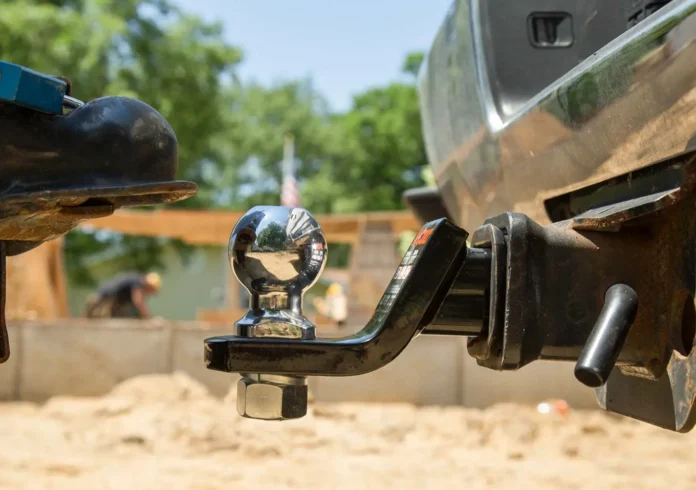
When picking a trailer hitch ball, the weight capacity is one of the most important things to think about. It’s safe to say how much weight a hitch ball can hold by its weight number. You could have an accident or lose control while pulling if the hitch ball you pick isn’t strong enough to hold the weight of your trailer.

Additionally, exceeding the weight capacity can put too much stress on the towing system of your car, which could lead to costly repairs and safety risks. Keep in mind that the weight capacity applies to the entire pulling setup, which includes the trailer, load, and hitch ball.

Always check your trailer’s weight capacity and make sure the hitch ball can hold the weight if you want to avoid making this mistake. There should be more weight capacity on the hitch ball than on the trailer you want to pull.

That way, you’ll feel safer and more at ease. A catastrophic fall is something that no one wants to happen while they are driving, so it’s important to remember that if you guess the weight capacity wrong, it could happen.

Neglecting the Ball Mount Compatibility

Another common mistake is not checking to see if the trailer hitch ball and the ball mount can work together. Connecting the trailer hitch ball to your car is done by the ball mount, but not all ball mounts are the same. For the link to be safe, the shank width and size of each ball mount must match the size and shape of the trailer hitch ball.

Using parts that don’t go together properly not only puts safety at risk, but it can also cause the hitch ball and ball mount to wear out too quickly. A bad fit could also cause the link to break while pulling, which could be very dangerous on the road.

It is important to make sure that the ball hitch you want to buy for your trailer will work with the ball mount you already have or plan to use. If parts don’t line up, the trailer might not be as stable while it’s being pulled, which makes it more likely that an accident will happen. Find out how big the ball mount you already have is and make sure the hitch ball you choose fits perfectly.

Overlooking Corrosion Resistance

Source: lippert.com

When choosing a trailer hitch ball, corrosion protection is an important thing that is often forgotten. For safety and life, it is important to choose a hitch ball made of materials that don’t rust because it is constantly exposed to rain, snow, and road grime.

This part can wear out quickly if you don’t pay attention to it, so you need to think about the weather where you’ll be pulling. A hitch ball that isn’t made to handle the weather might not only break down sooner than you think, but it could also make towing less safe over time.

Pin balls made of chrome-plated or stainless steel are most frequently used because they are less likely to rust or corrode than pin balls made of other materials. If you reside in an area that is prone to severe weather or if you frequently tow your vehicle through water, it is recommended that you get a hitch ball that has a high level of corrosion resistance.

You can save costly repairs and replacements in the future by doing this. It is possible that a corroded hitch ball in the pulling configuration is the source of the decreased level of security. This would increase the safety risks as well as make it less effective.

Disregarding Safety Risks

The worst thing you can do when choosing a trailer hitch ball is to not think about the safety risks. There are risks that come with towing, and a bad hitch ball can make these risks worse. Another important thing about the hitch ball is how it is designed and built.

This, along with its weight capacity and compatibility, is what makes the link between your car and trailer safe. Using a hitch ball that doesn’t meet safety standards can cause catastrophic fails, so it’s important to choose one that is of high quality and will last. Additionally, knowing the exact towing standards for your car and trailer can help reduce possible road safety risks even more.

Check your trailer hitch ball for damage or wear every time you use it to reduce safety risks. Make sure it’s connected firmly to the ball mount and that the locking device works right. Tow accidents can be avoided with regular maintenance and checks, so you can enjoy your trips with peace of mind.

If you’re looking for more information on towing best practices, read more about proper towing techniques to further enhance safety on the road. Additionally, it’s important to familiarize yourself with proper towing techniques to further enhance safety on the road.

Hitching Up Safely: The Right Trailer Hitch Ball Matters!

Source: reddit.com

It may seem like a small thing, but picking the right trailer hitch ball is very important for a safe and fun driving experience. You can protect yourself, your car, and your trailer by not making these common errors: paying close attention to the weight capacity, making sure it works with the ball mount, picking materials that won’t rust, and being aware of the safety risks.

Does this article help you? Explore our website to find more helpful and fun stories that could help you!

The Step-by-Step Guide to the Car Accident Lawsuit Process

Have you ever wondered what happens after a car crash and how people navigate the legal side of things? If you’ve been in or witnessed an accident, the thought of filing a lawsuit may seem overwhelming. But what if you could better understand the car accident lawsuit process and feel more confident?

This guide will walk you through the steps you need to take, ensuring that you’re fully prepared to move forward with your case. By the end of this post, you’ll have a clear understanding of what to expect, from the initial consultation to the final resolution.

Understanding the Basics of the Car Accident Lawsuit Process

When you’re involved in a car accident and believe that someone else is at fault, you might decide to file a lawsuit. A car accident lawsuit process typically involves filing an accident claim, gathering evidence, and possibly going to court if the case isn’t settled.

This can sound complicated, but breaking it down into simple steps can help make the process easier to understand. Many people find it helpful to work with an accident lawsuit expert, as they can guide you through each stage.

Seeking Legal Representation

Source: helpinginjuredpeople.com

The first step in any car accident lawsuit process is getting legal representation. It’s important to choose an attorney who specializes in car accident cases. Personal injury attorneys are experienced in handling such matters, ensuring you have the right advice from the start.

They’ll evaluate your case and determine whether it’s worth pursuing a lawsuit. Many personal injury lawyers offer free consultations, so you can get initial advice without making a financial commitment. It’s wise to take advantage of this to see if they are the right fit for you.

Filing Your Accident Claim

Once you’ve chosen your legal representation, the next step is to file an accident claim. This process involves gathering all the details about the accident, such as police reports, witness statements, and medical records.

Your lawyer will help collect these pieces of evidence to support your case. They’ll also contact the other party’s insurance company to inform them that you’re pursuing legal action. At this stage, your accident claim representation will focus on showing that the other driver was at fault.

Negotiating a Settlement

After the accident claim is filed, both parties will likely enter negotiations. The insurance company may offer a settlement to avoid going to trial. Your attorney will work to get the best possible settlement offer for you. It’s important to remember that insurance companies often try to settle for less than what you deserve.

This is why having skilled accident lawsuit experts in your corner is critical. They will make sure that any settlement offer reflects your full damages, including medical bills, lost wages, and pain and suffering.

Preparing for Trial

Source: dallasbar.org

If a fair settlement can’t be reached, your case might go to trial. Preparing for a trial can be time-consuming, but it’s important to stay patient. Your lawyer will gather more evidence, prepare witnesses, and work on building a solid case.

This step involves presenting all the facts of the accident and showing that the other driver was responsible for your injuries. Your accident lawsuit expert will handle all the legal details, making sure your case is as strong as possible.

Trials can feel overwhelming, but with an experienced lawyer, you’ll have the guidance you need. Trust the process, as it’s designed to ensure justice is served.

The Trial Process

The trial process is where you’ll have the opportunity to present your case in front of a judge or jury. Your lawyer will present evidence and argue that you should be compensated for your injuries. The other party’s lawyer will do the same, trying to prove that their client wasn’t at fault.

Both sides will have a chance to present their case, and the judge or jury will ultimately make a decision. If the jury rules in your favor, you will receive compensation for your damages.

If the verdict is not in your favor, your lawyer may discuss options for appealing the decision. The outcome of the trial can have a lasting impact, so it’s important to trust your legal representation throughout this process.

Post-Trial and Appeals

After the trial, there may be a post-trial phase where one of the parties appeals the decision. If you win your case, the defendant may try to appeal the verdict. Your lawyer will assist you during this phase, ensuring that your case continues to be handled appropriately.

In some cases, a settlement can still be reached after the trial, so it’s important to stay in close contact with your legal representation. The appeal process can extend the timeline of your case, so patience and communication with your lawyer are key. Your attorney will work to protect your interests and ensure that you receive the compensation you deserve.

Receiving Compensation

Source: thomasjhenrylaw.com

If you win your lawsuit, you’ll receive compensation. This can include payments for medical bills, lost wages, emotional distress, and other damages. The amount of compensation you receive depends on the severity of your injuries and the impact on your life.

A skilled attorney will help ensure that you receive the full amount you’re entitled to. Sometimes, the payment is made in a lump sum, while other times it may be structured over time.

Your attorney will work with you to decide the best way to receive the compensation based on your needs. Additionally, the payment schedule may be influenced by the terms of the settlement or court order.

Navigate the Car Accident Lawsuit Process Using this Guide

The car accident lawsuit process can be long and complex, but with the right legal representation, you can navigate it smoothly. From filing your claim to receiving compensation, every step is crucial in ensuring that you’re fairly compensated for your injuries.

With the help of a knowledgeable accident lawsuit expert, you can face the challenges of the process with confidence. If you are involved in a car crash, seeking the right legal help will make a significant difference.

Did you like this guide? Great! Browse our website for more!

Best Accounting Software for MENA Small Businesses

0
In many parts of the MENA region, small businesses are growing fast. Whether it’s a local store, an online seller, or a small service...