
Experiential marketing has become one of the most effective ways for brands to build genuine connections with their audiences. Rather than relying solely on digital impressions or static campaigns, companies are investing in immersive, real-world experiences that engage people directly. A significant part of this shift is happening on the road, through custom-built vehicles and trailers that serve as mobile brand environments.
These mobile activations may look effortless from the outside, but behind every seamless experience is a carefully engineered structure. Industrial fabrication plays a critical role in bringing creative concepts to life, ensuring that these vehicles are not only visually compelling but also functional, durable, and adaptable.
The Intersection of Marketing and Engineering
At first glance, marketing and engineering might seem like entirely separate disciplines. One focuses on storytelling and engagement, while the other deals with precision and structure. However, in the world of experiential marketing, these fields are closely intertwined.
Creating a mobile activation requires translating a brand’s vision into a physical space. This involves designing layouts, integrating technology, and ensuring that the final product can operate effectively in a variety of environments. The result is a collaborative process where creativity and technical expertise must work together seamlessly.
Fabrication as the Backbone of Mobile Experiences
Structural Design and Material Selection
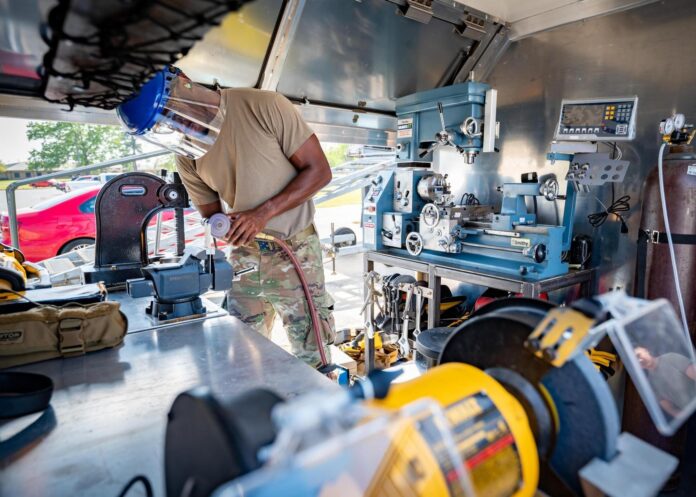
The foundation of any mobile marketing vehicle lies in its structure. Fabricators must select materials that offer both strength and flexibility, allowing the vehicle to withstand transportation while maintaining its visual and functional integrity. Steel and aluminum are commonly used, each offering unique advantages in terms of durability and weight.
Understanding how these materials behave under different conditions is essential. For those interested in the technical side, this overview of structural steel fabrication provides insight into the principles that guide these decisions. These fundamentals directly influence the performance of mobile experiential units.
Precision Welding and Assembly
Once materials are selected, the fabrication process moves into assembly. Techniques such as precision welding ensure that each component fits together seamlessly, creating a stable and reliable structure. This level of accuracy is particularly important in mobile applications, where even minor inconsistencies can affect performance.
Welding plays a central role in this process, especially in the mobile sector. A closer look at efficient logistics in trucking highlights how evolving techniques are improving both efficiency and quality. These advancements contribute to the overall reliability of experiential marketing vehicles.
Crafting Experiential Marketing Vehicles
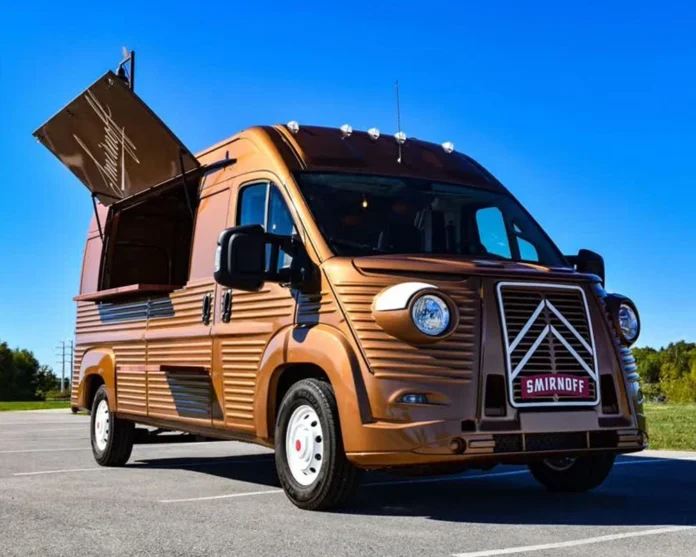
Turning a concept into a fully functional mobile experience requires a combination of design expertise and fabrication skill. Teams must consider how visitors will interact with the space, ensuring that every element supports the intended experience. This includes everything from entry points and flow patterns to lighting and multimedia integration.
Working with specialists like the team at Craftsmen Industries allows brands to develop customized solutions that align with their goals. These experts understand how to balance creativity with practicality, ensuring that each vehicle delivers both visual impact and operational reliability.
Designing for Engagement and Mobility
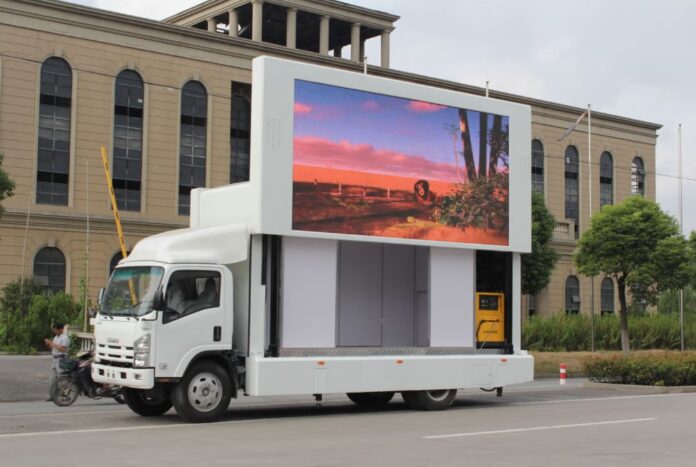
One of the defining challenges of experiential marketing vehicles is balancing engagement with mobility. The space must be immersive and interactive, yet compact enough to be transported easily. This requires thoughtful design that maximizes every inch of available space.
Engineers and designers work together to create layouts that support seamless interaction. This often involves modular elements that can be adjusted or reconfigured depending on the event or location. Flexibility is key, as it allows brands to adapt their campaigns to different audiences and environments.
Operational Considerations in Mobile Activations
Beyond design and fabrication, practical considerations play a significant role in the success of mobile marketing campaigns. Logistics, setup time, and maintenance all influence how effectively a vehicle can be used in the field. A well-designed unit should be easy to deploy and operate, minimizing downtime and maximizing engagement.
Durability is also critical. These vehicles are often used repeatedly across multiple locations, making it essential that they can withstand wear and tear. Fabrication techniques and material choices directly impact how well the unit performs over time.
The Future of Experiential Marketing Fabrication
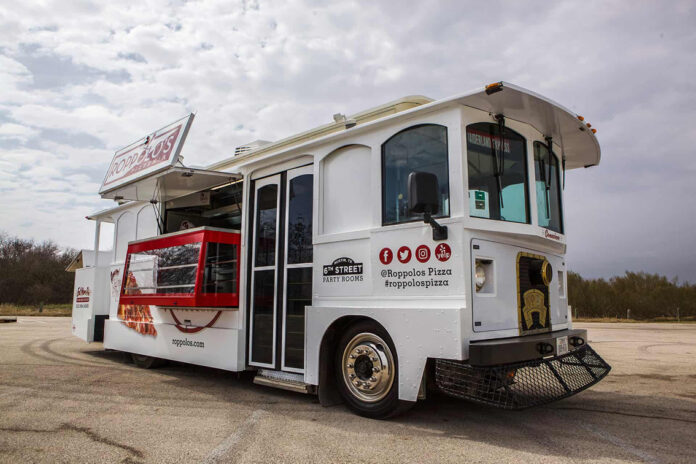
As technology continues to evolve, so too will the capabilities of experiential marketing vehicles. Innovations such as augmented reality, interactive displays, and real-time data integration are expected to enhance the depth and quality of brand experiences. These technologies will require even more sophisticated fabrication and design approaches.
Sustainability is another area of focus. Manufacturers are exploring ways to reduce the environmental impact of mobile activations, from using eco-friendly materials to improving energy efficiency. These efforts reflect a broader shift toward responsible design and production.
Conclusion
The success of experiential marketing vehicles depends on more than just creative ideas. It requires a solid foundation of engineering and fabrication, ensuring that each unit can deliver a consistent and engaging experience. By combining technical precision with innovative design, these vehicles are redefining how brands connect with their audiences.
As the demand for immersive marketing continues to grow, the role of fabrication will remain central. The ability to transform concepts into functional, mobile environments is what makes these experiences possible, bridging the gap between imagination and reality.