
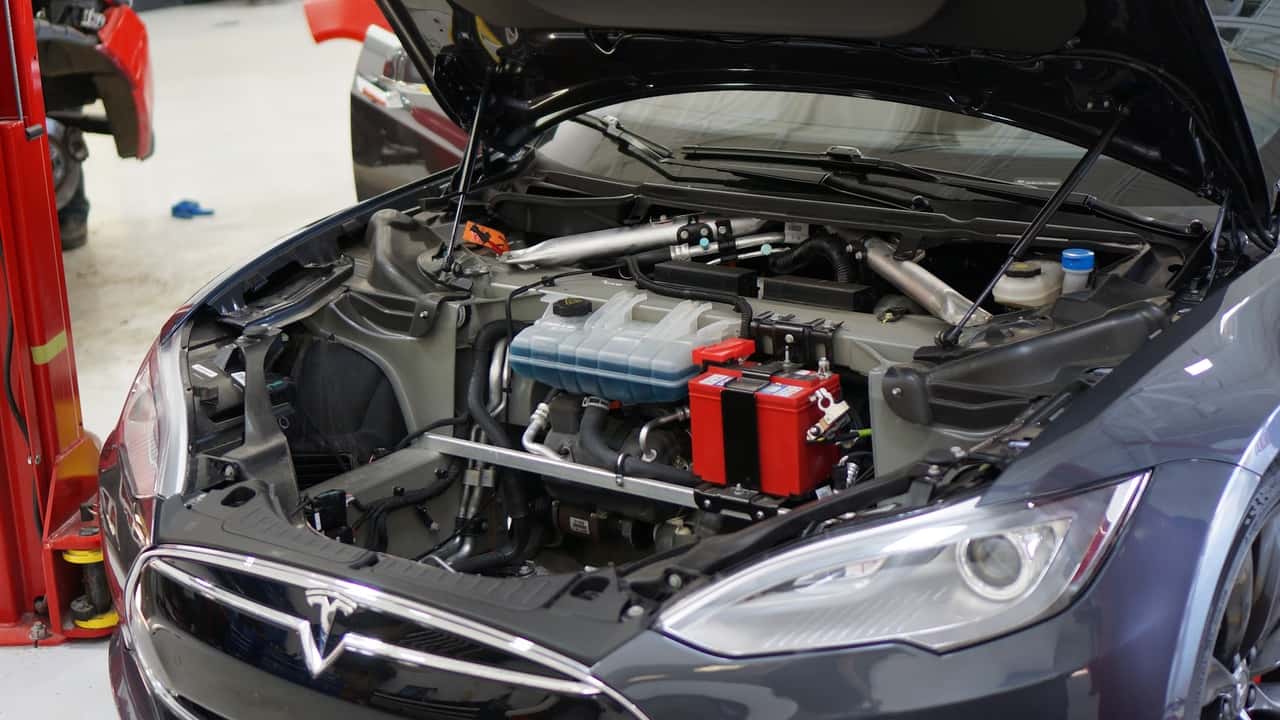
For new owners of all-electric cars, understanding how to keep their vehicles in top shape can be a bit daunting. The good news is that these cars typically require less upkeep than traditional models. With fewer moving parts and reduced brake wear due to regenerative braking, maintaining an electric car is simpler and more affordable.
This guide will help you navigate the essentials of EV care. From battery management to tire rotation, you’ll learn how to maximize performance and extend battery life. Understanding the differences in upkeep needs between electric cars and conventional models is crucial. You will discover what you no longer need to worry about, such as regular oil changes.
By following these maintenance tips, owners can enjoy a smoother and more cost-effective driving experience. Whether you are a first-time buyer or considering making the switch, this article offers practical advice based on industry insights and manufacturer recommendations.
Understanding the Basics of Electric Vehicle Maintenance
New owners of electric cars may find the world of upkeep unfamiliar and challenging. However, understanding the differences in maintenance requirements is essential for ensuring the longevity and performance of these vehicles. The simplicity of the electric powertrain sets these cars apart from their conventional counterparts.
Unlike traditional vehicles, which rely on complex internal combustion engines with hundreds of moving parts, electric cars utilize a battery pack and electric motors. This design drastically reduces the need for regular oil changes, spark plug replacements, and other maintenance tasks typically associated with gas-powered cars.
Why EV Maintenance Differs from Conventional Vehicles
The fundamental reason electric vehicle maintenance differs so dramatically from conventional car upkeep lies in the simplicity of the electric powertrain. An internal combustion engine generates heat, friction, and wear, necessitating frequent service. In contrast, electric cars eliminate many of these components, resulting in fewer maintenance needs.
- No need for engine oil, spark plugs, or fuel filters.
- No fuel pump, water pump, radiator, or exhaust system to service.
- Fewer moving parts mean reduced wear and tear.
Common Maintenance Tasks Shared with Gas Cars
Despite the differences, some maintenance tasks remain similar to those for gas cars. New owners should be aware of the following shared tasks:
- Tire rotations to ensure even wear.
- Brake fluid checks to maintain braking efficiency.
- Cabin air filter replacements for optimal air quality.
- Windshield wiper blade changes for clear visibility.
Benefits of Regular EV Maintenance for Performance and Longevity
Regular upkeep of electric vehicles offers significant benefits. It helps preserve battery range, optimize energy efficiency, and maintain resale value. By following a consistent maintenance schedule, owners can identify minor issues before they escalate into costly repairs.
Manufacturers design these vehicles with long service intervals in mind. Staying on top of recommended checks ensures that warranties remain valid and that owners enjoy a hassle-free driving experience.
| Maintenance Task | Electric Vehicles | Conventional Vehicles |
|---|---|---|
| Oil Changes | No | Yes |
| Spark Plug Replacement | No | Yes |
| Brake Fluid Checks | Yes | Yes |
| Tire Rotations | Yes | Yes |
| Transmission Service | No | Yes |
Essential Electric Vehicle Maintenance Practices
Understanding how to care for all-electric cars can be a learning curve for new owners. The maintenance of these vehicles primarily revolves around the battery, which is the most critical and costly component. Proper care can significantly extend the battery’s life and ensure optimal performance.
Battery Care and Longevity
Battery care sits at the very heart of electric vehicle upkeep. The National Renewable Energy Laboratory predicts that modern batteries can last between 12 to 15 years in moderate climates. However, this lifespan may decrease to 8 to 12 years with regular use in extreme temperatures.
To maximize battery longevity, owners should avoid exposing their vehicle to extreme heat or cold. Such conditions can accelerate chemical degradation within the battery cells.
Best Charging Habits to Protect Battery Health
Charging habits play a crucial role in maintaining battery health. Experts recommend avoiding frequent use of DC fast chargers for daily charging needs. Fast chargers can degrade battery packs more quickly than slower 120- or 240-volt home charging options.
Most manufacturers suggest setting the daily charging limit to 85 or 90 percent. Charging to full capacity every time can lead to faster degradation of the battery. Many automakers incorporate safeguards to prevent full-capacity charging, but owners should utilize onboard settings to cap charging levels for routine use.
Monitoring Battery Coolant Systems
Monitoring the battery coolant system is essential for maintaining safe operating temperatures during charging and driving. Many EV battery packs use liquid coolant, which should be checked regularly.
For example, Ford recommends inspecting cooling system hoses, levels, and strength every six months on models like the Mustang Mach-E and F-150 Lightning. Staying on top of these essential practices helps preserve battery range and ensures consistent performance.
| Maintenance Task | Electric Vehicles | Conventional Vehicles |
|---|---|---|
| Battery Life Check | Yes | No |
| Coolant Level Check | Yes | No |
| Charging Habits Monitoring | Yes | No |
| Tire Rotations | Yes | Yes |
| Battery Warranty | 8 years/100,000 miles | N/A |
By adhering to these practices, owners can maintain their vehicles effectively and stay within the terms of the typical 8-year/100,000-mile battery warranty offered by most manufacturers. Regular checks and proper care can help avoid costly repairs and enhance the driving experience.
For more information on electric vehicle maintenance, visit this resource.
Brake and Tire Maintenance for Electric Vehicles
New owners of all-electric models often find themselves needing to adapt to different brake and tire maintenance practices. Understanding these differences is key to ensuring safety and performance.
How Regenerative Braking Extends Brake Life
One of the most significant advantages of electric cars is regenerative braking. This system captures kinetic energy during braking and feeds it back into the battery. As a result, the brake pads experience much less wear compared to traditional systems.
Because of this gentle approach, many owners find that their brake pads can last well over 100,000 miles. However, driving style and conditions can influence this lifespan. It’s important to remember that while regenerative braking reduces wear, mechanical brakes still need attention.
Brake Fluid Checks and Brake Pad Replacement
Even with regenerative braking, brake fluid remains a crucial maintenance item. For instance, Ford recommends replacing the brake fluid in models like the Mustang Mach-E and F-150 Lightning every three years. This helps maintain optimal braking performance.
Additionally, Tesla advises lubricating brake calipers every 12 months or 12,500 miles in areas with road salt. This service typically costs around $100. Regular checks ensure that the braking system remains in good working order.
Understanding EV Tire Wear and Replacement Frequency
Tire maintenance is equally important for electric models. The weight of the battery pack can lead to increased tire wear. Additionally, the instant torque from electric motors can accelerate tread wear, especially during aggressive acceleration.
For example, on a long-term Tesla Model 3, the factory-installed Michelin Primacy MXM4 tires needed replacement after just 30,000 miles, costing about $1,157. Regular inspections are vital to catch any signs of uneven wear.
Owners should check tire pressure at least every 30 days and rotate tires according to the manufacturer’s schedule. This helps ensure even wear and prolongs tire life.
| Maintenance Task | Electric Vehicles | Conventional Vehicles |
|---|---|---|
| Brake Pad Replacement | Every 100,000+ miles | Every 30,000-70,000 miles |
| Brake Fluid Replacement | Every 3 years | Every 2 years |
| Tire Replacement | 30,000-50,000 miles | 40,000-80,000 miles |
| Tire Pressure Check | Every 30 days | Every 30 days |
| Brake Caliper Lubrication | Every 12 months or 12,500 miles | N/A |

By understanding the unique aspects of brake and tire care, owners can enhance their driving experience and ensure safety on the road. Regular maintenance not only extends the life of components but also contributes to overall vehicle performance.
Fluids and Cooling Systems Maintenance in Electric Cars
Caring for an all-electric car involves understanding various fluids and cooling systems that play a crucial role in its performance. While these cars eliminate the need for engine oil changes, they still rely on important fluids that require periodic attention.
The battery pack and powertrain electronics generate significant heat during operation and charging. This heat is managed by a dedicated thermal management system that uses liquid coolant in most modern models. To prevent overheating issues, regular checks are essential.
Checking and Replacing Coolant in Battery and Powertrain
Ford recommends that owners of the Mustang Mach-E and F-150 Lightning check the integrity of cooling system hoses and the coolant level and strength every six months. This practice helps maintain optimal battery temperatures and prevents overheating.
Similarly, the Porsche Taycan owner’s manual advises checking coolant levels as part of routine service. At the 75,000-mile mark, many manufacturers recommend a complete coolant circuit drain and service to refresh the thermal management system.
Maintaining Windshield Washer Fluid and Cabin Air Filters
Windshield washer fluid is often overlooked but is crucial for clear visibility. EV owners should check and top off this fluid every 30 days. Additionally, at 15,000 miles, it’s advisable to replace windshield wiper blades to ensure optimal performance.
Cabin air filters play a vital role in maintaining interior air quality by trapping dust, pollen, and pollutants. These filters should be replaced approximately every 36,000 miles. However, for those who frequently drive in urban areas with poor air quality, this interval may need to be shortened.
Additional Fluids and Parts to Monitor
In addition to coolant and windshield washer fluid, other important fluids include brake fluid, which should be flushed and replaced at intervals specified by the manufacturer. The air conditioning refrigerant is another part that requires attention.
While EVs have far fewer fluids to monitor than gas cars, staying diligent about these remaining service items ensures the vehicle continues to run efficiently and comfortably for years.

Safety Guidelines and Emergency Preparedness for EV Owners
Understanding safety protocols and emergency procedures is essential for owners of modern electric cars. With advancements in technology, these vehicles come equipped with unique safety features. It’s important for owners to familiarize themselves with these systems to ensure safety on the road.
Federal Safety Standards for Electric Vehicles
Every commercially available electric car must meet the Federal Motor Vehicle Safety Standards. These standards ensure that electric vehicles undergo rigorous safety testing, just like conventional cars sold in the United States. This includes evaluations for battery performance under various conditions.
High-Voltage System Safety Features
Modern electric cars have high-voltage electrical systems that typically operate between 400 and 1,000 volts. Manufacturers encase battery packs in sealed, rugged shells to protect them from damage. These battery packs are tested for overcharge, vibration, extreme temperatures, and more to ensure they remain safe.
Emergency Response and What Owners Should Know
Emergency response for electric cars is similar to that of conventional vehicles. Most electric cars include cutoff switches that allow first responders to isolate the battery and disable the electric system quickly. High-voltage power cables are marked with distinctive orange coloring, making them easily identifiable in emergencies.
Owners should also be aware of the potential for delayed ignition or reignition of a battery fire, even after it appears to be extinguished. Familiarizing oneself with the vehicle’s emergency response guide is crucial. Many manufacturers provide detailed instructions for first responders, enhancing safety for all.
Conclusion
First-time owners of all-electric cars may encounter unfamiliar maintenance practices. Fortunately, keeping these vehicles in top condition is simpler and more cost-effective than traditional models. The total service costs are often about one-third of what gas-powered car owners typically spend.
By following the maintenance schedule outlined in this guide, new owners can ensure their cars run efficiently while preserving battery range and performance for many years. Key practices include mindful charging habits, regular tire rotations, and consistent monitoring of coolant levels.
Adhering to manufacturer-recommended service intervals helps protect investments by maintaining the vehicle warranty. With an average 8-year/100,000-mile battery warranty, many owners choose to trade in their EVs before it expires, avoiding the high costs of battery replacement.
In summary, embracing these maintenance practices allows every owner to enjoy a smoother, safer, and more economical driving experience.
FAQ
What is the most important maintenance task for an electric car?
The most crucial task is monitoring the battery health. Regular checks can help extend battery life and ensure optimal performance.
How often should I check the brake fluid in my electric vehicle?
It’s recommended to check brake fluid every 1-2 years or as specified in the owner’s manual. Proper fluid levels are essential for safe braking.
Do electric cars require oil changes?
No, electric cars do not require traditional oil changes as they do not have an internal combustion engine. However, some components may still need lubrication.
How can I extend the life of my tires?
Regularly checking tire pressure, rotating tires, and ensuring proper alignment can significantly extend tire life and improve performance.
What should I do if my battery coolant level is low?
If the coolant level is low, it should be topped off with the appropriate coolant type as specified in the owner’s manual. Regular checks are essential for cooling system efficiency.
Are there any specific safety features in electric cars?
Yes, electric vehicles often come with high-voltage safety features, including insulated wiring and automatic shut-off systems to protect against electrical hazards.
How often should I replace the cabin air filter?
Cabin air filters should typically be replaced every 15,000 to 30,000 miles, or as indicated in the vehicle’s maintenance schedule, to ensure clean air inside the car.
What are the benefits of regenerative braking?
Regenerative braking helps extend brake life by reducing wear on brake pads and recapturing energy during braking, which can improve overall efficiency.