Home Blog Page 6

Defensive Driving in Philly ─ Skills That Can Save Lives on the Road

0

Driving in Philadelphia poses significant challenges, including navigating its densely populated areas, dealing with narrow streets, and managing high traffic volumes.

This urban setting leads to a high incidence of vehicular accidents; in 2020, the city witnessed over 10,000 car crashes, which resulted in numerous fatalities and injuries.

Although not every accident can be avoided, practicing defensive driving techniques can lessen the likelihood of a collision. These techniques equip drivers with the skills to anticipate potential hazards, improving safety for themselves, their passengers, and others on the road.

Despite the best efforts to drive cautiously, accidents can occur due to others’ negligence. In such situations, securing legal services for car crashes in Philadelphia is essential. An adept attorney can provide crucial guidance through the compensation claim process, helping victims recover costs for medical care, lost income, and other related damages.

Defensive driving combined with the expertise of a proficient legal team empowers Philadelphia drivers to better safeguard their well-being on the road and ensure their rights are upheld in the aftermath of an accident.

Maintaining a Safe Following Distance

Source: marksandharrison.com

One of the most fundamental principles of defensive driving is maintaining a safe following distance from the vehicle in front of you. This allows you to have sufficient time to react and avoid a collision if the lead vehicle suddenly slows down or stops.

The recommended distance varies depending on your speed, road conditions, and vehicle type. A good rule of thumb is to maintain a distance of at least three seconds between you and the vehicle ahead.

To gauge this, pick a fixed point on the road (such as a sign or overpass) and start counting when the lead vehicle passes it. If you reach the same point before counting to three, follow more closely.

Scanning the Road for Potential Hazards

Defensive driving entails vigilant scanning of the road ahead to identify potential hazards well in advance. This proactive approach involves looking past the immediate vehicle in front to foresee possible dangers from a distance, significantly enhancing road safety. Key hazards to watch for include:

  • Vehicles executing sudden lane changes or merges.
  • Brake lights signal to slow or halt traffic.
  • Pedestrians, cyclists, or animals might enter the road.
  • Road obstructions like potholes, debris, or unexpected obstacles.
  • Traffic signs or signals necessitating speed or directional adjustments.

Practicing Situational Awareness

Source: thezebra.com

Situational awareness is critical in defensive driving, enabling drivers to perceive, understand, and react to their surroundings effectively.

This skill involves constant vigilance of the immediate vicinity, including other vehicles and potential hazards, and a broader understanding of the overall traffic flow and road conditions.

Essential practices include regularly checking mirrors to keep track of vehicles around you, paying close attention to traffic signs and road markings, and observing the behavior of other road users to predict their actions. It also entails being mindful of your condition and recognizing factors like fatigue or stress that might impair your driving capabilities.

Maintaining high situational awareness is crucial for navigating the unpredictable driving environment of cities like Philadelphia. It allows drivers to identify potential dangers swiftly and make informed decisions to mitigate risks.

Whether adjusting speed in response to changing road conditions, anticipating the actions of pedestrians and cyclists, or managing one’s state to prevent distractions, a heightened sense of awareness contributes significantly to road safety.

Adopting such attentive driving habits ensures your well-being and that of others sharing the road, promoting a safer driving culture for everyone.

Communicating Your Intentions Clearly

Source: medium.com

Effective communication on the road is a cornerstone of safe driving, enabling others to anticipate your next move. Properly using turn signals is fundamental, signaling your intentions to change lanes, turn, or merge well in advance.

This facilitates smoother traffic flow and significantly reduces the likelihood of accidents caused by sudden, unexpected movements. However, communication extends beyond just signaling; it’s about making your intentions as straightforward as possible to everyone sharing the road.

Beyond turn signals, drivers can employ various methods to ensure their actions are understood. For instance, eye contact with pedestrians and cyclists can signal mutual recognition and intent.

Hand signals can be an effective alternative when turn signals are not visible or malfunctioning.

Additionally, a light tap on the brakes can alert followers to upcoming slowdowns while avoiding erratic maneuvers to help maintain a predictable driving pattern.

These practices contribute to a cooperative road atmosphere, minimizing misunderstandings and enhancing user safety.

Adjusting to Changing Road Conditions

Source: carfax.ca

Defensive driving in Philadelphia demands adaptability to constantly changing road conditions. From weather variations to construction disruptions, drivers face numerous challenges that can impact safety. Here’s how to navigate these changes effectively:

  • Anticipate and prepare for diverse conditions like heavy rain, snow, potholes, uneven roads, or construction zones that could affect driving.
  • Reduce speed to suit the environment, ensuring safer handling and longer stopping distances.
  • Increase the following distance to give yourself ample reaction time to unforeseen hazards.
  • Use headlights and windshield wipers as necessary to enhance visibility in poor weather conditions.
  • Practice smooth driving techniques, avoiding abrupt maneuvers or hard braking to prevent skidding.
  • Stay vigilant for signs, signals, and road markers indicating alterations in traffic patterns or road conditions.

Knowing When to Yield the Right of Way

Source: visitphilly.com

Understanding and adhering to right-of-way laws is crucial for preventing accidents in Philadelphia, where the bustling streets are often a complex weave of vehicles and pedestrians.

These laws clearly outline who is entitled to move first in various traffic scenarios, including intersections, crosswalks, and lane merges. Unfortunately, many collisions stem from drivers’ failure to yield the right of way, underscoring the need for vigilance and courtesy in these situations.

Defensive driving entails more than just knowing the laws; it involves a readiness to yield, prioritizing safety over insistence on legal rights. Whether it’s stopping at a red light, allowing pedestrians to cross safely, facilitating smooth merges, or clearing the way for emergency vehicles, these actions significantly prevent accidents.

Adopting a mindset that respects the right of way and chooses to yield when in doubt fosters a safer, more harmonious traffic environment in Philadelphia, where the unexpected is part of daily commutes.

Seeking Legal Support When Accidents Happen

Source: pinterest.com

Even the most cautious, defensive drivers can find themselves involved in accidents. When such incidents occur, securing legal support is crucial to safeguarding one’s rights and facilitating recovery.

Philadelphia’s legal landscape allows injured drivers to seek compensation for damages incurred due to someone else’s negligence. This compensation can cover medical bills, lost earnings, pain and suffering, and property damage, providing essential support during recuperation.

Handling the complexities of personal injury claims after a car crash can be overwhelming. The physical and emotional toll of the accident magnifies this challenge. At this juncture, a legal professional’s expertise becomes indispensable.

A seasoned attorney in Philadelphia specializing in car accident injuries can offer comprehensive support, from evidence collection and insurance negotiations to courtroom representation.

Enlisting a skilled legal team promptly ensures injured drivers can concentrate on their recovery, confident that their rights are being defended. An experienced attorney advocates on their behalf and connects them with necessary medical and support services. With dedicated legal assistance, drivers have the resources to achieve a favorable resolution, allowing them to move forward from the accident.


Solar-Powered Living ─ Achieving Net Zero Homes Through Solar Innovation

Net zero homes are the future of living sustainably. They make as much energy as they use, which is cool because it means no energy bills can get low. This helps our planet by cutting down on harmful emissions.

Living in a net zero home means you’re helping the earth every day. These homes use things like solar panels to make energy. It’s a smart way to keep the air cleaner and save you money in the long run.

In this blog, we will discuss the things you should know to achieve net zero homes through solar innovation.

High-Efficiency Solar Panels

High-efficiency solar panels are a big part of making your home more energy-saving. They work by catching the sun’s light and turning it into electricity for your house. This is key in energy-efficient house plans because it cuts down on the need for other types of power that can hurt the environment.

These panels are made to be good at what they do, even when the sun isn’t shining super bright. They help keep your house powered up without wasting any energy. Having them can save you a lot of money on bills over time since you’re making your own energy.

Building-Integrated Photovoltaics (BIPV)

Building-integrated photovoltaics (BIPV) are like putting a solar power suit on your house. They are not just regular solar panels; they make your roof, walls, or windows able to catch sunlight and turn it into electricity. Net zero home builders love using BIPV because it blends in with your house and doesn’t stick out.

Using BIPV means your house can make its clean energy while looking good. This is great because it helps the planet by not using dirty energy. Your home can save you money since you’re making energy instead of buying it all the time.

Energy-Efficient Appliances and Systems

Energy-efficient appliances and systems are the heartbeats of a net zero home. They use less energy to do the same jobs as regular appliances. This means they save you money and reduce your carbon footprint. Using appliances like energy-saving refrigerators, washing machines, and air conditioning systems in your net zero home is a smart choice.

By choosing appliances with the ENERGY STAR label, for instance, you’re picking products designed to be leaders in low energy use. These include refrigerators, washers, and heating or cooling systems that work smarter, not harder. Installing such systems is a smart move for any homeowner looking to cut costs and reduce their carbon footprint.

Energy Storage Systems

Source: tgpronewenergy.com

Energy storage systems are like big batteries for your house. They save up electricity for when the sun isn’t shining or the wind isn’t blowing. This way, you can use clean energy even when nature isn’t making any right then.

By using energy storage systems, you’re not just making your home more efficient. You’re also helping the planet by using less fossil fuel energy. It’s a great step towards making your home truly net zero and environmentally friendly.

Smart Energy Management Systems

Smart Energy Management Systems are the brains of a net zero home. They watch how energy is used and make adjustments to save power and money. This system can turn off the lights when no one is in the room or adjust the thermostat to save energy.

By learning the habits of the household, these systems plan the best ways to use energy efficiently. They can even take weather reports into account, preparing your home for a hot day by cooling it down when energy costs are lower. This smart technology helps keep your house comfortable while cutting down on waste.

Grid Connectivity and Net Metering

Grid Connectivity and Net Metering

Grid connectivity and net metering are important aspects of net zero homes. This means your home is connected to the main power grid, allowing you to use or store energy as needed. Net metering is a program that allows you to sell any excess energy your home produces back to the grid.

Having this option not only helps you save money but also contributes to creating a more sustainable and reliable energy system for the community. It also encourages homeowners to invest in renewable energy sources, such as solar panels, knowing that they can make a profit from it.

Public Policies and Incentives

Public policies and incentives can make a big difference when you want to turn your home into a net zero home. For instance, when you read about solar energy in Oregon, you’ll find out that the state offers good deals to people who choose to use solar power. This helps more families afford to make the change and help the earth.

Another cool thing is the new tax rules on home renovations that focus on making homes more energy-efficient. These rules mean people can save money on their taxes if they upgrade their homes to use less energy. It’s a win-win because you save money and the planet at the same time.

Source: zeroenergyproject.com

Achieving Future Sustainability with Net Zero Homes

Net zero homes are not just about saving on bills. They’re about a brighter future for all of us. These homes use smart tech and renewable energy to give back to the planet. They prove living green can be stylish, comfortable, and cost-effective.

By choosing a net zero home, you’re making a powerful statement. You’re saying yes to a healthier planet and a sustainable lifestyle. It’s a choice that benefits us now and generations to come. Net zero homes are the way forward. Join the movement and make a difference today.

If you find this article helpful, you may visit our blog for more content.

What Is Cloud Computing ─ Revolutionizing the Digital Landscape

0

Cloud computing refers to the delivery of computing services — including servers, storage, databases, networking, software, and more — over the internet, providing users with access to flexible and scalable resources without the need for on-premises infrastructure.

This paradigm shift in IT infrastructure has enabled organizations to streamline operations, innovate rapidly, and scale their resources according to demand.

Evolution and Historical Perspective

The concept of cloud computing traces back to the 1960s, with the development of utility computing and time-sharing systems.

However, it wasn’t until the early 2000s that cloud computing began to gain traction, thanks to advancements in virtualization, broadband internet, and the emergence of internet giants like Amazon, Google, and Microsoft.

How Cloud Technology Works?

At its core, it relies on a network of remote servers hosted on the internet to store, manage, and process data, rather than a local server or personal computer. This distributed model allows users to access resources and services on-demand from anywhere with an internet connection.

Types of Cloud Computing Services

There are several types depending on the purpose:

  • Infrastructure as a Service (IaaS) ─ IaaS provides virtualized computing resources over the internet, including virtual machines, storage, and networking, allowing users to deploy and manage their own applications and services without the need for physical hardware.
  • Platform as a Service (PaaS) ─ PaaS offers a complete development and deployment environment in the cloud, providing developers with tools, frameworks, and middleware to build, test, and deploy applications more efficiently.
  • Software as a Service (SaaS) ─ SaaS delivers software on the cloud over the internet on a subscription basis, eliminating the need for users to install, maintain, and update software locally. Popular examples include Google Workspace, Microsoft 365, and Salesforce.
  • Function as a Service (FaaS) ─ FaaS, also known as serverless computing, enables developers to run individual functions or pieces of code in response to events, without managing the underlying infrastructure. This pay-per-use model is ideal for event-driven and microservices architectures.

Characteristics and Benefits

Source: how2electronics.com

This technology offers several key advantages:

  • Scalability ─ Resources can be scaled up or down dynamically to accommodate fluctuations in demand, ensuring optimal performance and cost-efficiency.
  • Flexibility ─ Users can access services from any device with an internet connection, enabling remote work and collaboration.
  • Cost-efficiency ─ It eliminates the need for upfront investments in hardware and infrastructure, allowing organizations to pay only for the resources they use.
  • Business continuity ─ Cloud-based backups and disaster recovery solutions ensure data resilience and minimize downtime in the event of a disaster.
  • Environmental benefits ─ By consolidating resources and optimizing energy consumption, reduces the carbon footprint of IT operations.

Challenges and Considerations

Despite its many benefits, cloud computing also presents challenges:

  • Security concerns ─ Storing sensitive data off-premises raises concerns about data breaches, unauthorized access, and compliance with data protection regulations.
  • Management and governance ─ Managing multiple cloud environments and ensuring compliance with organizational policies require robust governance frameworks and monitoring tools.
  • Compliance and regulatory challenges ─ Different regions have varying data protection laws and regulations, complicating compliance efforts for multinational organizations.

Cloud Computing vs. Traditional Web Hosting

Source: tech-and-mortar.com

Compared to traditional web hosting methods, cloud solutions offers several advantages, including:

  • Scalability ─ Resources can be scaled more easily to accommodate growing traffic and workloads.
  • Flexibility ─ Platforms offer a wider range of services and deployment options, catering to diverse application requirements.
  • Cost-efficiency ─ Pay-as-you-go pricing models and resource optimization tools help minimize costs and maximize ROI.
  • Reliability ─ Cloud providers offer robust infrastructure and service level agreements (SLAs) to ensure high availability and uptime.

Hybrid and Multi-Cloud Strategies

Hybrid and multi-cloud strategies represent a transformative approach in cloud computing, blending the strengths of both private and public clouds, as well as leveraging multiple cloud providers to meet specific operational needs.

These strategies offer unparalleled flexibility, enabling organizations to balance cost, performance, and regulatory compliance more effectively.

A hybrid cloud setup allows for sensitive data to remain within a secure, private cloud, while scalable, cost-effective public cloud resources can be used for less sensitive operations.

Multi-cloud environments, on the other hand, prevent vendor lock-in and optimize resources by choosing best-in-class services from various providers, thereby enhancing business resilience and agility.

Integration of Edge Computing

Source: venturebeat.com

The integration of edge computing with cloud technologies marks a significant evolution in data processing, particularly beneficial for IoT and real-time applications. By processing data closer to its source, edge computing significantly reduces latency and conserves bandwidth, thereby enhancing the efficiency of cloud services.

This symbiosis supports a new generation of applications, from autonomous vehicles to smart cities, where immediate data analysis is crucial. Moreover, edge computing can alleviate the load on central cloud servers, leading to more scalable and resilient cloud infrastructures.

As the volume of data generated by edge devices continues to grow, their integration with cloud computing will become increasingly important for efficient data management and analysis.

Advanced Cloud Security and Privacy Measures

In the realm of cloud computing, advanced security, and privacy measures are paramount due to the inherent risks of storing and processing data off-premises. Enhanced encryption techniques, both in transit and at rest, ensure data integrity and confidentiality.

The adoption of zero trust models, which verify every request as if it originates from an open network, provides rigorous access control. Additionally, innovations like confidential computing, where data is processed in encrypted enclaves, protect against unauthorized access, even from cloud providers themselves. These advanced measures address growing security concerns, making cloud platforms more robust and trustworthy for businesses handling sensitive information.

Expanding on Serverless Architectures

Source: productcoalition.com

Serverless architectures represent a paradigm shift in cloud computing, enabling developers to focus on code rather than server management. This model abstracts the server layer, automatically managing the allocation and scaling of resources.

Functions as a Service (FaaS) is a popular example, allowing the execution of code in response to events without a continuous server presence. This model promotes cost efficiency by charging only for the resources consumed during the execution time.

The expansion of serverless architectures into broader use cases, including event-driven applications and microservices, offers developers unprecedented scalability and flexibility, paving the way for more innovative and efficient cloud-based solutions.

Sustainability and Green Computing in the Cloud

The environmental impact of IT operations has brought sustainability and green computing to the forefront of cloud computing discussions.

Cloud providers are increasingly focusing on reducing the carbon footprint of their data centers through energy-efficient technologies and renewable energy sources.

Virtualization maximizes hardware utilization, reducing the number of physical servers required and consequently lowering energy consumption. Additionally, cloud providers are adopting advanced cooling technologies and designing data centers in cooler climates to further enhance energy efficiency.

These efforts not only contribute to environmental sustainability but also offer cost savings and improved public perceptions for both providers and users, aligning technological advancement with ecological responsibility.

Source: emerging-europe.com

Conclusion

In conclusion, cloud computing has revolutionized the way businesses leverage technology, enabling innovation, agility, and cost savings on a global scale. As technology continues to evolve, we can expect cloud solutions to play an increasingly integral role in shaping the future of digital transformation.

With the rise of emerging technologies such as artificial intelligence, machine learning, and the Internet of Things, the demand for cloud-based services and solutions will only continue to grow. By embracing the principles of scalability, flexibility, and innovation, organizations can harness the full potential of this technology to drive success in the digital age.

Comparison of Xlerator and Dyson Hand Dryers

0

Hand dryers are an essential piece of equipment for any modern restroom. They offer customers an efficient and eco-friendly alternative to paper towels.

Xlerator and Dyson are two popular brands of commercial hand dryers that have emerged on the scene as market leaders.

In this review, we compare the cost, performance, noise level, durability, bacteria control, and environmental impact of these two hand dryers. You can also make specific comparisons of each model of Xlerator and Dyson hand dryers here.

Background of Each Hand Dryer

Xlerator

Xlerator hand dryers are manufactured by Excel Dryer and have established themselves as a significant player in the hand dryer industry – particularly in the United States. They’re known for their robust construction and high efficiency and their dryers are synonymous with durability and speed.

Dyson

Dyson is widely recognized for its innovative and technologically advanced products, which extend its expertise to the hand dryer market with the Dyson Airblade.

Dyson displays an unbridled commitment to combining style with functionality, featuring a sleek, ultra-slim design and available in either white, grey, or Nickel finish.

Installation and Setup

When installing new hand dryers in a commercial setting, ease of installation and setup are critical factors to consider. Xlerator hand dryers are designed for easy installation, with universal mounting plates that can accommodate various restroom layouts.

They are also compatible with multiple voltage requirements, making them suitable for different locations worldwide. On the other hand, Dyson Airblade hand dryers are known for their sleek design and compact size, which can be particularly advantageous in restrooms with limited space.

However, their unique shape and electrical requirements might necessitate professional installation, potentially increasing initial setup costs.

User Experience and Accessibility

User experience is paramount when selecting a hand dryer. The Xlerator’s traditional push-button operation and high-velocity air stream allow for a familiar user experience. However, the intensity of the air blast may not be comfortable for all users, especially children or those with sensitive hands.

Conversely, the Dyson Airblade offers a more modern experience, with touch-free operation and unique airblade technology that guides the user’s hands to the optimal drying position. This feature is not only hygienic but also enhances accessibility, making it a superior choice for facilities aiming to provide a user-friendly environment.

Design and Aesthetics

Source: gbdmagazine.com

The physical appearance of hand dryers can significantly influence the overall aesthetic of a restroom. The Xlerator hand dryer has a rugged and industrial look, which might be more suitable for settings such as factories or sports stadiums. It comes in various finishes, allowing for a degree of customization.

In contrast, the Dyson Airblade stands out for its innovative and modern design, which can complement high-end or contemporary restrooms. Its slim profile and sleek finishes can add a touch of sophistication, aligning with a company’s branding or design ethos.

Safety Features

Safety is a critical aspect, especially in environments with high traffic or children. Xlerator hand dryers incorporate thermal overload protectors and tamper-resistant screws, which ensure the unit’s safety and durability.

However, their high noise levels could pose a risk to hearing over prolonged exposure. Meanwhile, Dyson Airblade dryers are equipped with multiple safety features, including low noise operation, touch-free sensors, and sealed HEPA filters, reducing the risk of bacterial dissemination and ensuring a safer drying experience.

Brand Reputation and Customer Support

Brand reputation and the level of customer support offered can significantly impact long-term satisfaction with a hand dryer. Xlerator enjoys a solid reputation in the industry and is known for its durable products and effective customer service, including responsive technical support and comprehensive warranties.

Dyson, while newer to the hand dryer market, carries a prestigious brand reputation known for innovation and quality. They provide extensive customer support, including installation guidance, operational troubleshooting, and warranty claims, ensuring that clients receive the assistance they need.

Cost Comparison

Source: rezahygiene.com
  • Xlerator ─ Pricing can vary, but Xlerator is known for its affordability compared to Dyson.
  • Dyson Airblade ─ Priced from $600US/$900CAD, it is considered one of the most expensive hands dryers on the market.

Efficiency and Performance Comparison

  • Xlerator ─ The Xlerator is designed for heavy usage in locations like stadiums and schools. It’s popular for its quick drying time and reliability.
  • Dyson Airblade ─ Has a rated power of just 1k, consuming only 3.33 watt/hours per dry. It offers 1500 dries with approximately CAD 1.00US/$2.00 spent on electricity, making it 97% more efficient than paper towels.

Noise Level Comparison

  • Xlerator ─ Noise level can reach up to 97-100 decibels.
  • Dyson Airblade ─ is considerably quieter, at around 79-80 Db(A), which is below harmful levels.

Maintenance and Durability Comparison

  • Xlerator ─ Offers a 5-year warranty on parts and is known for its minimal need for warranty repairs, indicating high durability and low maintenance.
  • Dyson Airblade ─ Comes with a 5-year warranty, backed by a durable digital brushless motor tested for 240,000 uses, suggesting a long-lasting product.

Bacteria Control Comparison

Source: cnbc.com

Environmental Impact Comparison

  • Xlerator ─ Provides significant environmental benefits compared to conventional dryers and paper towels, achieving significant electricity consumption reduction and outweighing impacts even with 100% recycled paper towels.
  • Dyson Airblade ─ Estimated to produce a low 21.36kg/CO2 and becomes more carbon-efficient than paper towels after approximately 1300 uses.

Overall Sustainability

Both Xlerator and Dyson hand dryers contribute to environmental sustainability by reducing waste associated with paper towels.

However, their approaches differ. Xlerator focuses on high-speed drying and energy efficiency, significantly cutting down on the resources used per dry.

Meanwhile, Dyson emphasizes its low energy consumption and advanced HEPA filtration system, contributing to better air quality and lower carbon emissions. Facilities aiming for green certification may find Dyson’s features align more closely with sustainability goals, though Xlerator’s energy savings are also commendable.

Who to Choose?

The verdict is in. If you want the highest efficiency and longevity, the Dyson is your best buy. If you want affordability with comparable features and specs, the Xlerator won’t steer you wrong.

Xlerator is a robust and popular choice, appreciated for its durability and performance while Dyson shines in terms of energy efficiency, lower noise levels, and better hygiene control.

Understanding Home Loan Eligibility

0

Owning a home is not just about having a place to live; it’s a symbol of achievement, a cornerstone of stability, and a canvas on which to paint the story of our lives. For countless individuals and families around the world, the dream of homeownership represents a culmination of hard work, determination, and perseverance.

However, the financial commitment involved can seem daunting, and understanding home loan eligibility is crucial before embarking on this journey. This essay delves into the key factors that determine your eligibility, empowering you to navigate this critical aspect of homeownership.

Understanding the Building Blocks ─ Assessing Key Eligibility Criteria

Source: jkcement.com
  • Income and employment ─ Your income is the backbone of your repayment capacity. The minimum salary requirement for salaried individuals typically falls between ₹10,000-₹25,000 per month. Whereas for self-employed individuals, a consistent income over a period (usually 2-3 years) with audited financials is crucial.
  • Age ─ Lenders assess your age at loan application and at loan maturity. The maximum loan tenure is usually capped at 30 years, which means younger applicants are eligible for larger loans due to a longer repayment period.
  • Credit score and history ─ A healthy credit score (typically above 700) reflects responsible credit management and increases your eligibility for a loan and potentially secures lower interest rates. Conversely, a poor credit score or missed payments can hinder your chances.
  • Debt-to-income ratio (DTI) ─ This ratio compares your total monthly debt obligations (EMIs, credit card bills, etc.) to your gross income. Ideally, your DTI should be below 50% to demonstrate comfortable debt management.
  • Property details ─ The type, location, and value of the property you wish to purchase can influence your eligibility. Lenders may set limits on loan amounts based on property value and offer special schemes for specific property types.

Optimizing Your Eligibility ─ Strategies for Success

Source: experian.com

Understanding these factors helps take proactive steps to improve your home loan eligibility:

  • Maintain a healthy credit score ─ Pay bills on time, avoid unnecessary credit, and consider utilizing credit repair services if needed.
  • Reduce your debt burden ─ Pay off existing loans or consolidate them to lower your DTI.
  • Increase your income ─ Explore opportunities for salary raises, promotions, or additional income streams.
  • Choose a co-applicant ─ If your individual eligibility falls short, consider applying with a co-applicant with strong financial standing.
  • Shop around for lenders ─ Different lenders have varying eligibility criteria and interest rates. Compare options to find the best fit for your profile.

Owning Your Future ─ Beyond Eligibility with Responsible Borrowing

While securing home loan eligibility is the first step, responsible borrowing throughout the loan term is paramount. Remember:

  • Carefully assess your affordability ─ Don’t overextend yourself. Choose a loan amount with comfortable EMIs that suit your budget.
  • Read the fine print ─ Understand all loan terms, interest rates, and associated fees before signing.
  • Build an emergency fund ─ Prepare for unexpected expenses to avoid financial strain during your loan tenure.
  • Plan for the future ─ Consider potential income changes, job transitions, or family needs when structuring your loan repayment plan.
Source: companionlink.com

By understanding, optimizing, and responsibly managing home loan eligibility, you can unlock the door to your dream home with confidence and financial prudence. The process of obtaining a home loan involves a series of steps, each requiring careful consideration and strategic planning. From assessing your financial situation to researching loan options and comparing interest rates, there are various factors to take into account before making a decision.

One of the first steps in the home loan process is evaluating your eligibility. Lenders typically look at factors such as income, credit score, employment history, and existing debts to determine whether you qualify for a loan and how much you can borrow. By taking proactive steps to improve your financial profile, such as paying off outstanding debts and maintaining a stable income, you can increase your chances of securing a favorable loan offer.

Once you have a clear understanding of your eligibility, it’s essential to optimize your loan options to suit your specific needs and preferences. This may involve exploring different types of loans, such as fixed-rate mortgages, adjustable-rate mortgages, or government-backed loans, and comparing their terms and conditions. Additionally, you may consider factors such as loan terms, down payment requirements, and closing costs to ensure that you choose a loan that aligns with your long-term financial goals.

Source: fox5sandiego.com

Responsibly managing your home loan also entails careful budgeting and financial planning to ensure that you can comfortably afford your monthly mortgage payments. This includes factoring in additional expenses such as property taxes, homeowners insurance, and maintenance costs to avoid financial strain down the line. By creating a comprehensive budget and setting aside savings for unexpected expenses, you can navigate homeownership with greater peace of mind and stability.

Remember, homeownership is a long-term commitment, and informed decisions pave the way for a secure journey. By taking proactive steps to understand, optimize, and responsibly manage your home loan eligibility, you can embark on the exciting journey of homeownership with confidence and financial prudence, knowing that you have laid a solid foundation for your future.

Avoiding the Trap ─ Responsible Utilization of Payday Loans

0

When financial emergencies strike, individuals often find themselves facing a myriad of challenges and uncertainties. In such times, the need to swiftly address unexpected expenses becomes paramount, leading many to explore different avenues for financial assistance.

From medical emergencies to sudden home repairs or unexpected vehicle expenses, these unforeseen circumstances can disrupt even the most carefully planned budgets.

Among these options, payday loans from direct lenders are frequently sought due to their accessibility and quick processing times. However, while these loans offer immediate relief, misusing them can lead to long-term financial difficulties. Therefore, understanding how to utilize payday loans responsibly is crucial.

What is a Payday Loan?

A payday loan, also known as a cash advance, is a short-term loan typically secured against the borrower’s next paycheck. These loans are designed to provide quick access to cash for individuals facing urgent financial needs, such as medical emergencies or car repairs.

While payday loans can be a lifeline in emergencies, their high-interest rates and fees make them a costly form of borrowing.

12 Tips for Using Payday Loans Responsibly

Source: medium.com

1. Only Borrow What You Can Afford to Pay Back

Before taking out a payday loan, carefully assess your financial situation. Borrow only the amount necessary to cover your immediate expenses. Overborrowing can lead to a debt trap, exacerbating your financial situation.

2. Understand the Terms and Conditions

Thoroughly review the terms and conditions of the loan agreement, including interest rates, fees, and repayment terms. Understanding these terms will help you know exactly what you’re signing up for and how much the loan will cost you in the long run.

3. Use Payday Loans for Emergencies Only

Reserve payday loans for genuine emergencies and essential expenses. Avoid using them for non-essential purchases or daily living costs. If you regularly find yourself short of cash, consider seeking other financial solutions or seeking financial counseling.

4. Pay Off Your Loan Promptly

Due to their high-interest rates, it’s crucial to pay off your payday loan as soon as possible. The earlier you repay it, the less interest you’ll pay. Avoid rolling over your loan, as this can lead to a cycle of debt.

5. Explore Alternatives

If you’re struggling financially, consider alternatives to payday loans. You could seek help from family or friends, find a part-time job, or sell some unwanted items. Additionally, traditional bank loans or credit unions may offer lower interest rates and more favorable terms.

Build an Emergency Savings Fund

Consider building an emergency savings fund to provide a financial safety net for unexpected expenses. Setting aside a portion of your income regularly can create a reserve that can be accessed during emergencies, reducing the need for payday loans.

Utilize Credit Cards Responsibly

Credit cards can serve as an alternative source of short-term financing for emergencies. Compared to payday loans, credit cards often offer lower interest rates and more flexible repayment options. However, it’s essential to use credit cards responsibly to avoid accumulating debt.

Consider Personal Loans

Personal loans from banks, credit unions, or online lenders may offer lower interest rates and longer repayment terms compared to payday loans. Explore these options before resorting to payday loans.

Seek Financial Counseling

Seeking guidance from a financial counselor or advisor can provide valuable insights into managing your finances effectively. These professionals can assist in creating a personalized budget, developing a debt repayment plan, and exploring alternative financial solutions.

By incorporating these tips and exploring alternative financial options, individuals can avoid the pitfalls associated with payday loans and maintain financial stability. Remember, responsible financial management is crucial for long-term financial well-being.

6. Continued Strategies

Source: hoidla.spordimuuseum.ee

Debt Consolidation

For individuals with multiple debts, consolidating them into a single loan can streamline repayment and potentially lower interest rates. Debt consolidation involves combining debts from various sources into one loan, simplifying monthly payments and reducing overall interest costs.

This approach can be particularly beneficial for those struggling to manage multiple payday loans or high-interest debts.

Government Assistance Programs

In addition to personal savings and alternative borrowing options, government assistance programs can provide support during financial hardships. These programs, such as unemployment benefits, housing assistance, and food assistance, offer temporary relief to individuals facing economic challenges.

Exploring eligibility criteria and applying for relevant assistance can alleviate financial stress and reduce the need for payday loans.

Side Hustles and Additional Income

Increasing your income through side hustles or part-time work can supplement your primary source of income and reduce reliance on payday loans. Explore opportunities for freelance work, gig economy jobs, or monetizing hobbies and skills.

Even small additional income streams can make a significant difference in covering expenses and building financial resilience.

Negotiate with Creditors

If you’re struggling to meet loan payments or facing financial hardship, consider negotiating with creditors for alternative repayment arrangements. Many lenders are willing to work with borrowers to find mutually beneficial solutions, such as reduced interest rates, extended repayment terms, or debt settlement options.

Open communication and proactive engagement can help alleviate financial pressure and avoid defaulting on loans.

7. Financial Education and Budgeting

Investing in financial education and improving budgeting skills can empower individuals to make informed financial decisions and manage their money effectively. Take advantage of free resources, online courses, or workshops offered by financial institutions and community organizations.

By understanding how to budget, save, and prioritize expenses, individuals can better navigate financial challenges and avoid the need for payday loans.

8. Stay Informed and Adaptive

Stay informed about changes in financial regulations, interest rates, and economic trends that may impact your financial situation.

Remain adaptive and willing to adjust your financial strategies as needed to address changing circumstances and optimize your financial well-being.

9. Seek Community Resources

Many communities offer resources and assistance programs to support individuals facing financial challenges. These programs may include food banks, utility assistance programs, and job training initiatives.

Utilizing community resources can help alleviate financial strain and reduce the need for payday loans.

Source: bankrate.com

10. Peer Support and Accountability

Seeking support from peers or joining financial accountability groups can provide encouragement and accountability in managing finances.

Sharing experiences, tips, and strategies with others facing similar challenges can foster motivation and help individuals stay on track with their financial goals.

11. Long-Term Financial Planning

Developing a long-term financial plan is essential for achieving financial stability and security. Set specific goals, such as saving for retirement, purchasing a home, or funding education, and create a roadmap to achieve them.

By prioritizing long-term objectives and making strategic financial decisions, individuals can reduce the likelihood of relying on payday loans in the future.

12. Regular Financial Check-Ups

Schedule regular financial check-ups to review your financial situation, track progress toward goals, and make any necessary adjustments to your financial plan. Regularly monitoring income, expenses, and savings can help identify areas for improvement and ensure financial objectives are on track.

By incorporating these additional strategies and approaches, individuals can further reduce reliance on payday loans and build a more resilient financial future. Remember, responsible financial management and ongoing education are key to achieving long-term financial stability and security.

Stability Chambers ─ Mechanisms, Functions, and Diverse Categories

0

In the realm of scientific research and industrial applications, the importance of controlled environments cannot be overstated.

Among the myriad of instruments designed to offer such conditions, stability chambers stand out for their critical role in ensuring the reliability and longevity of products ranging from pharmaceuticals to electronic components.

This article delves into the intricacies of stability chambers, exploring their mechanisms, functions, and the various categories that cater to different industry needs.

Understanding Stability Chambers

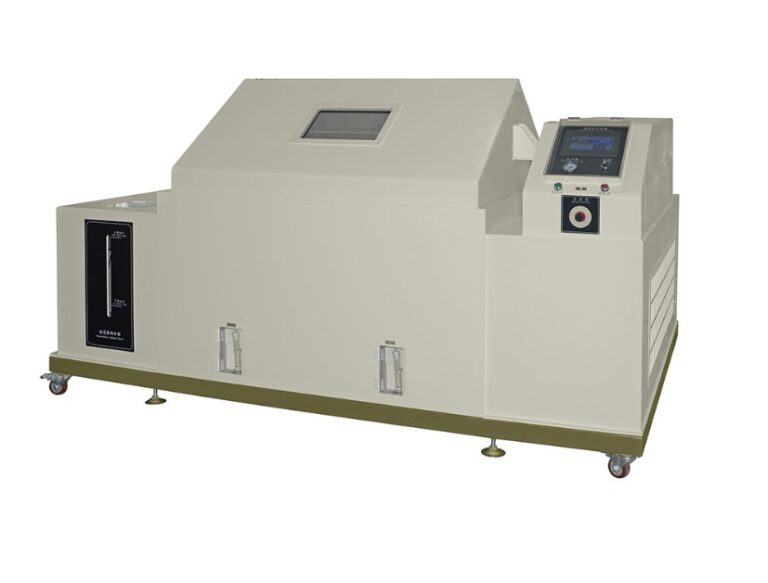
At its core, a stability chamber is a specialized type of environmental test chamber designed to assess how various conditions affect the stability, shelf life, and efficacy of products and materials. These chambers create precise conditions, such as specific temperatures and humidity levels, making them indispensable in industries that require rigorous quality control and regulatory compliance.

The Mechanisms Behind the Magic

Source: humiditycontrol.com

The operation of stability chambers hinges on several sophisticated mechanisms that work in tandem to maintain the desired environmental conditions. Temperature control is achieved through refrigeration systems and heaters that are regulated by sensitive thermostats.

Humidity is manipulated using humidifiers and dehumidifiers, controlled by precise hygrometers. These components are governed by an integrated control system, usually equipped with digital interfaces, allowing for the programming and monitoring of environmental conditions with high accuracy.

Air circulation is another critical aspect, ensuring uniform conditions throughout the chamber. This is typically facilitated by fans or air circulation systems that prevent hot or cold spots, ensuring that every part of the chamber maintains the set conditions.

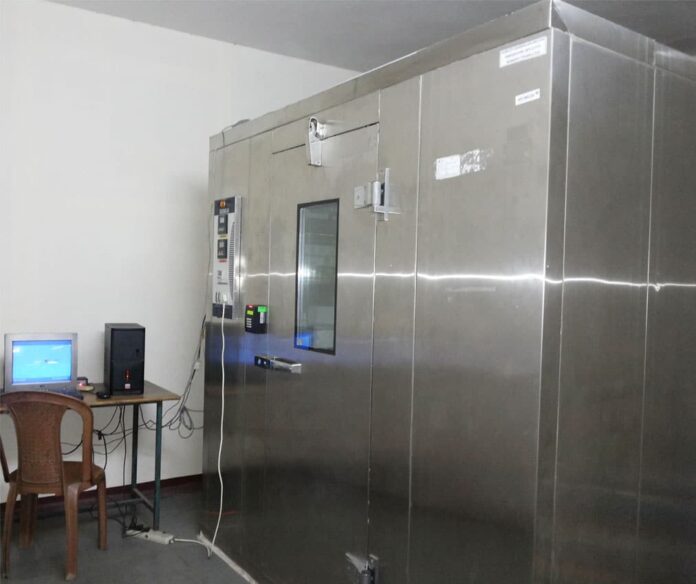
The structural integrity of the chamber, often made from materials like stainless steel, is designed to withstand the rigors of constant temperature and humidity changes while ensuring insulation and minimizing energy consumption.

Functions ─ Beyond Stability Testing

While the primary function of stability chambers is to simulate environmental conditions for stability testing, their utility extends to a range of applications:

  • Shelf-life testing ─ Manufacturers use stability chambers to predict how long a product will retain its quality under specific environmental conditions. This is crucial for perishable items, pharmaceuticals, and many consumer goods.
  • Environmental stress screening ─ Products, particularly electronic devices, are exposed to fluctuating conditions to identify potential failures. By stressing products under controlled conditions, manufacturers can improve product durability.
  • Packaging tests ─ Stability chambers test packaging materials and designs under various environmental conditions to ensure they protect the product effectively.
  • Regulatory compliance ─ In many industries, particularly pharmaceuticals and food, products must undergo stability testing in chambers to comply with regulations that ensure consumer safety and product efficacy.

Diverse Categories for Diverse Needs

Source: humiditycontrol.com

Stability chambers come in various shapes and sizes, each designed to meet specific testing requirements. Some of the most common categories include:

  • Pharmaceutical stability chambers ─ Designed to meet strict regulatory standards, such as those set by the International Conference on Harmonisation (ICH), these chambers are used to test the stability of pharmaceuticals in conditions that mimic those found in different geographical regions.
  • Climatic chambers ─ These are versatile chambers capable of simulating a wide range of environmental conditions, including temperature, humidity, and even atmospheric pressure, making them suitable for testing a variety of products.
  • Thermal shock chambers ─ Focused on assessing how sudden changes in temperature affect materials and components, these chambers can rapidly alternate between extreme temperatures to test the resilience of products.
  • Walk-in chambers ─ For large-scale or high-volume testing, walk-in chambers provide ample space to test large items or multiple products simultaneously under uniform conditions.
  • Benchtop chambers ─ Compact and convenient, benchtop chambers are ideal for laboratories with limited space, offering the same precise control of environmental conditions as their larger counterparts.

The Role of Calibration and Maintenance

To ensure the accuracy and reliability of stability chambers, regular calibration and maintenance are essential. Calibration involves adjusting the chamber’s sensors and control systems to ensure they produce accurate readings and maintain the desired conditions.

Maintenance, on the other hand, involves regular inspections and repairs to prevent potential malfunctions. This includes cleaning the chambers, checking the refrigeration systems, and replacing worn-out parts.

Emerging Trends and Innovations

Source: verifiedmarketreports.com

The field of stability chambers is witnessing continuous advancements, driven by technological innovation and evolving industry needs. Some of the notable trends include the integration of advanced data logging and remote monitoring capabilities, allowing for real-time tracking of environmental conditions and test results.

Additionally, there is a growing emphasis on sustainability, leading to the development of energy-efficient models that reduce operational costs and environmental impact.

Navigating Challenges and Solutions

Despite the advanced capabilities of stability chambers, users often face challenges that can affect the accuracy and efficiency of testing processes. One common issue is the calibration drift over time, where the accuracy of sensors and control systems can degrade, leading to discrepancies in test conditions.

Another challenge is the adaptation of chambers to rapidly changing regulatory standards and test protocols, especially in industries like pharmaceuticals and food safety, where compliance is critical.

To address these challenges, manufacturers and users of stability chambers have developed several solutions. Regular calibration and preventive maintenance schedules are paramount in ensuring the ongoing accuracy and reliability of chambers. Moreover, the adoption of modular design and software updates allows for easier upgrades to meet new regulatory standards or testing requirements.

Advancements in Stability Chamber Technologies

Source: lab-training.com

The continuous evolution of stability chamber technology is marked by significant advancements aimed at enhancing performance, user-friendliness, and sustainability. Innovations such as IoT-enabled monitoring systems allow for remote tracking and control, enhancing the convenience and efficiency of stability testing.

Energy-saving features like advanced insulation materials and more efficient cooling systems are becoming standard, reflecting the industry’s commitment to reducing environmental impact. Additionally, the integration of artificial intelligence and machine learning algorithms is beginning to emerge, offering the potential to predict maintenance needs and optimize testing protocols for better outcomes.

Closing Thoughts

Stability chambers stand as pivotal instruments in ensuring product quality and compliance across various sectors. From pharmaceuticals to electronics, these chambers provide the controlled environments essential for rigorous testing and research.

The challenges associated with their operation, including calibration drift and regulatory compliance, are addressed through diligent maintenance and technological advancements. The field is witnessing exciting innovations, from IoT connectivity to AI integration, paving the way for more efficient, accurate, and sustainable stability testing.

Troubleshooting Common Issues Affecting Internet Quality at Home

0

In today’s world, the internet is like the air we breathe for our digital lives. It keeps us connected, entertained, and productive. But just like a bad air day can ruin our mood, internet troubles at home can mess with our digital flow.

Let’s dive into how to fix these common internet headaches, so you can get back to streaming, scrolling, and surfing without a hitch.

Getting to Know Internet Speed and Space

First off, let’s break down some internet basics. Internet speed is all about how quickly information zips from the internet to your gadget. Think of it like the speedometer in a car, showing how fast you’re going. Then there’s this thing called bandwidth, which is more about how much information can move at once.

Imagine a highway ─ the speed is how fast cars go, and bandwidth is like how many lanes there are. When too many gadgets or big apps hog the internet at your place, it’s like a traffic jam on your internet highway.

The Brain of Your Home Internet ─ Router and Modem

Source: pcmag.com

The dynamic duo that keeps your internet ticking is your router and modem. Sometimes, they get a bit old and cranky, not keeping up with the speed you need. Just like old phones struggle with new apps, outdated routers, and modems can slow down your internet.

Also, if they’re set up wrong, you’re in for a bumpy ride. Keeping them updated and tweaking settings to match your internet plan is key. And where you put your router matters a lot.

Walls and big objects can block your Wi-Fi signal, creating annoying no-go zones for the internet. A high, central spot away from other electronics is a sweet spot for your router.

Wi-Fi Hiccups and Traffic Jams

Ever notice your internet getting wonky when the microwaves are on or during a call on a cordless phone? That’s because a lot of home gadgets mess with your Wi-Fi signal, especially on the crowded 2.4 GHz frequency.

Living close to others, like in apartments, means your neighbors’ Wi-Fi can also step on your internet’s toes, causing a digital tug-of-war. Switching to the 5 GHz band on your router can give you a clearer lane for your internet traffic.

You might also need to play around with your Wi-Fi channel to find a less crowded one, kind of like finding a secret shortcut on your daily commute. For more information on Wi-Fi and frequencies, check out Xfinity and consult with internet provider professionals.

When Too Many Devices Party on Your Network

Source: bionic.co.uk

Imagine everyone at your house is trying to stream, game, or download all at once. It’s like a party where everyone’s talking at the same time – no one gets heard properly. Big activities like streaming movies or downloading huge files can hog all your internet, making it crawl for anyone else. You can manage who gets priority on your network, sort of like making sure the person on a work call gets the quietest room.

When It’s Not You, It’s Them ─ ISP and Beyond

Sometimes, the problem isn’t inside your house but with your Internet Service Provider (ISP) or even farther out in the vast web. Things like maintenance, outages, or just plain old bad infrastructure can mess with your connection.

And since your internet has to hop through different stops to get to you, any issues along the way can slow it down. Keeping an eye on your ISP’s updates and sometimes using a VPN can help, but it’s not a cure-all.

Beware of Digital Gremlins ─ Malware and Security

Nasty software, like viruses or spyware, can also drag down your internet by doing bad stuff in the background.

Keeping your devices clean with updated antivirus software and being smart about what you click on can keep these digital gremlins at bay.

Keeping Your Internet Fit

Just like a car, your home internet needs regular check-ups and tune-ups. Updating your gear, restarting things now and then to clear out tech cobwebs, and keeping an eye on sneaky apps that eat up your internet are all part of a healthy internet routine.

And if you’re not getting the speed you’re paying for, it might be time for a chat with your ISP or to shop around for a better one.

The Balancing Act ─ Multiple Devices and Activities

Source: pcmag.com

Think of your home internet like a circus act, with your router juggling multiple devices and activities all at once. Sometimes, the juggler gets overwhelmed, especially when every device wants to be the star of the show.

This can lead to a performance that’s less than stellar, with video buffering and web page crawling. To keep the show running smoothly, consider setting up a guest network for visitors or devices that don’t need top-speed access. It’s like giving some performers a separate stage, so everyone doesn’t crowd onto the main one.

Smart Homes, Smart Challenges

As our homes get smarter, with gadgets like voice assistants, smart lights, and Wi-Fi-connected fridges, the demand on our home networks skyrockets. It’s like inviting more guests to the party, but not everyone can fit in the living room.

These smart devices are super handy, but they’re also chatty, constantly sending and receiving data. To prevent your smart home from slowing down your binge-watching sessions, consider scheduling device updates for the wee hours and keeping essential devices closer to your router for a stronger connection.

Seasonal Surges and Special Events

Ever notice how your internet can slow to a crawl during big sports events or season finales of popular shows? It’s like when everyone in town heads to the same spot for a fireworks show, causing traffic jams.

These high-demand times can strain not just your home network but also your ISP’s infrastructure, leading to widespread slowdowns.

To stay ahead of the game, plan your internet-heavy activities during off-peak hours or consider downloading shows in advance for uninterrupted viewing. It’s like beating the traffic by arriving early or taking a different route home.

Source: pcmag.com

Closing Thoughts

In short, keeping your home internet humming smoothly is all about understanding the tech basics, staying on top of maintenance, and being smart about how you and your gadgets share the digital road.

By tackling common issues head-on and keeping your setup in tip-top shape, you’ll enjoy a faster, more reliable connection that keeps pace with your digital life.

How to Find a Reliable Online Casino ─ Top 7 Considerations

0

Thousands of online casinos exist today, claiming they offer the best games. However, you can’t be sure they are legit unless you do some research. Online casinos have come to stay, and many prefer them because of the offers available. Besides, playing games online removes the hassles of driving to a brick-and-mortar casino.

However, these casinos usually have a wide variety of casinos on the internet, making it hard for you to choose one. In this piece, you will find the top things to consider when picking a casino.

Top 7 Considerations for Picking An Internet-based Casino

Source: mymmanews.com

Casinos are fun, but you must play games at reputable sites. Even though many online casino sites exist, only a few can be trusted. These are the things to take into account when choosing online casinos:

1. Read Online Reviews

The only way to be safe is to check what others say about the casino. Look for reviews and feedback from players online who have tried out the casino. Before you use any online casino, make sure to check third-party reviews on sites like roundme.com. The reviews will point you to legitimate sites to play your favorite casino games.

Also, you will get an unbiased opinion from real players who have tested the casino site. The reviews will reveal how the casino treats players and if they have any negative feedback. Another reason why they are beneficial is that you can avoid falling prey to illegal platforms.

2. Security/License

The first thing to consider is whether the online casino is legitimate. You can do so by checking for their gaming license. Usually, you’ll find out that most casinos have gaming licenses from authorities like the UK Gambling Commission (UKGC), Malta Gaming Authority (MGA), and Curacao Gaming Commission.

In addition to the gambling license, you should only sign up with secure casinos. To check for security, find out if they have security protocols. Ensure the site is using the latest SSL encryption. When you play games at a reliable casino, your data will be kept safe and secure.

3. Bonuses/Promotions

Source: timesofmalta.com

Another thing you should look out for is the bonuses the casino offers. Some of the best online casinos give new players a signup bonus. There are different types of bonuses you will get at online casinos. They include deposit bonuses, no-deposit bonuses, cashback, free spins, and VIP bonuses.

The best offers are no-deposit bonuses. These are where a casino gives you a bonus without any need to deposit money. No-deposit deposit bonuses can come as free spins or cash rewards. Players must deposit a certain amount of money to get the bonus for deposit offers.

Usually, this type of bonus comes in percentages, for instance, a ” 100% bonus on your first deposit above $50.” To learn which bonuses a casino offers, you must check the promotions page. In addition to looking at their fantastic incentives, you must know how it works. The casino generally states its terms and conditions on its site. This way, you can tell what the wagering requirement will be.

Since most bonuses can’t be withdrawn immediately, they may ask that you play the bonus many times. For instance, the bonus may have a PC rollover requirement of 35x. This means that they must play the bonus on casino games 35 times to qualify to withdraw. The best casinos usually have a lower rollover requirement, so it’s easier to meet.

4. Range of Games

The types of games and the quality of each one matter when choosing an online casino. Only the best gaming sites will provide popular games from leading software providers. You should check their game library to see what they have in their collection. Look for casinos that offer many games, but that shouldn’t be the only criteria. Find out if they have games from known developers like Netent, Microgaming, Pragmatic Play, Evolution Gaming, and Play n’ Go, among others.

These are just a few of the top gaming providers in the industry. It is better to play games from them because they offer the best titles. The casino should be able to provide popular games like slot machines, blackjack, roulette, baccarat, and a live casino. In addition to this, you should also check if the site offers fair games. Check if it uses random number generator (RNG) technology to ensure no rigging.

5. Payment Methods

Source: blog.renpayments.com

It won’t be fair if players can deposit but not withdraw their winnings. Hence, it would help if you only used casinos that offer convenient payment options. Check if they accept your country’s currency and ensure you can easily withdraw your money. Some payment options at the best casinos include debit/credit cards, Neteller, Skrill, PayPal, and Cryptocurrencies.

In addition, make sure the casino doesn’t default on payments. You should read reviews to know if they can be trusted. You can learn about their payment processing time. Also, find out if there are any hidden charges for deposits and withdrawals.

6. Mobile Play

Most people spend more time on their phones than on their PCs. Hence, it makes sense for the casino to optimize their games for mobile devices. The best casinos will offer all their games on mobile since they use HTML 5 technology. It is also an added advantage if the casino has a mobile app. Some of the best sites have apps for Android and iOS users. In the absence of an app, they’ve made their website intuitive. As a result, playing games on their mobile site would still be convenient.

7. Customer Support

You can only trust a casino that shows its availability to customers. Find out how quick they are to resolve complaints. The best sites will offer many communication channels to connect with their users. For instance, they can have a live chat, email contact, and phone number. Some even go the extra mile to provide customers with help on social media. It would also be great to see that they have a FAQ page.

Final Thoughts

With these, you can find the best online gaming platforms. Remember only to play games at casinos with a valid license. Usually, you will find this information on their website. It isn’t safe to play games at unregulated casinos. These sites will likely rig their games and might not even pay players their winnings. Follow the tips above and enjoy your online gaming experience.

Unlocking Business Potential with Exceptional IT Services and Support

In today’s technology-driven market landscape, IT services and support are more than just a back-office function; they are fundamental contributors to business success and sustainability. Regardless of industry, size, or market reach, a comprehensive and responsive IT support structure is a linchpin for any organization looking to thrive amid the relentless pace of digital change.

IT services and support encompass a broad range of activities—from maintaining critical IT infrastructure, and managing servers, networks, and cloud platforms, to providing end-user support and cybersecurity protection. It is the glue that holds the digital aspects of a company together, addressing both the immediate technical needs and the strategic IT objectives that underpin long-term business goals.

The importance of IT services and support becomes clear when considering the impact of technology downtime. Operations can grind to a halt if networks falter, data is breached, or software fails, resulting in lost productivity, revenue, and consumer trust. On the flip side, effective IT support can enhance business performance, maximize up-time, and create seamless user experiences for both employees and customers alike.

Being Proactive

Source: boldit.co.uk

One key aspect of stellar IT services and support is proactive system monitoring. By continuously watching over IT infrastructure, support teams can detect and resolve issues before they become a problem. This proactivity extends to keeping systems updated and secure from cyber threats, which are becoming increasingly sophisticated and ubiquitous.

Cybersecurity protection is crucial in today’s digital age. safeguarding against data breaches, identity theft, and financial loss. It ensures the integrity, confidentiality, and availability of information, protecting personal, corporate, and government data from unauthorized access and cyber attacks.

Effective cybersecurity measures help prevent malware, phishing, and other malicious activities, fostering a secure environment for online transactions and communication. It also supports national security by defending against cyber threats to critical infrastructure. Moreover, cybersecurity compliance is vital for maintaining consumer trust and adhering to legal standards. In summary, cybersecurity is indispensable for secure, reliable, and resilient digital operations.

Furthermore, IT support plays a critical role in disaster recovery and business continuity. By preparing for the worst-case scenarios, whether that’s data loss due to hardware failure, natural disasters, or cyber-attacks, businesses can minimize the impact and quickly restore operations. This level of preparation necessitates not only robust technical solutions but also clear communication and training for staff to follow during an emergency.

In addition to the technical facets, effective IT services and support also hinge upon customer service excellence. Support teams are often the first line of defense against IT issues that individuals face. Whether through help desks, online chat support, or remote troubleshooting, the ability to solve problems efficiently and respectfully can define the user’s experience and, by extension, their overall perception of the organization.

Adapting to the Changing Landscape

Adopting the latest IT solutions is another cornerstone of valuable IT services and support. From cloud computing to artificial intelligence, the forward-thinking incorporation of new technologies can streamline operations, lower costs, and foster innovation. IT support teams must have the expertise to guide and manage the deployment of such solutions, ensuring alignment with business strategies and user needs.

Did you know?

Quantum computers harness quantum mechanics principles to process information exponentially faster than classical computers. They utilize qubits for complex problem-solving, benefiting fields like cryptography, drug discovery, and climate modeling. This revolutionary technology promises significant advancements in computation, although it’s still in a developmental stage.

Training for the Future

Training and support are just as crucial for the success of new technology adoption. Employees must understand how to utilize new systems and tools to contribute effectively to the business’s mission. IT support teams must provide comprehensive education and resources to empower the workforce, ensuring consistent and adept use of IT resources. Five ways that employees can be trained are:

  • Classroom learning ─ Traditional face-to-face instruction in a structured setting.
  • Online courses ─ Flexible learning via the internet, including webinars and e-learning modules.
  • On-the-job training ─ Practical, hands-on experience gained while working.
  • Mentoring and coaching ─ Personalized guidance from experienced individuals.
  • Self-study ─ Independent learning through books, research, and practice.

Strategic IT services and support are instrumental in managing change within an organization. As businesses evolve, IT infrastructure and software solutions must scale correspondingly. IT support teams must work in collaboration with management to foresee and plan for these changes, ensuring that the IT ecosystem is both robust and adaptable.

In the realm of small and medium-sized enterprises (SMEs), the argument for professional IT services and support is particularly compelling. With often limited resources and IT expertise, SMEs benefit significantly from partnering with IT service providers that can offer a range of support options tailored to specific needs without the overhead of a full-time, in-house IT team.

Outsourcing offers several benefits for small and medium-sized enterprises (SMEs). The first is cost efficiency. Outsourcing can reduce costs by eliminating the need for full-time employees or infrastructure for specific tasks. SMEs also gain access to specialized skills and expertise that might be too expensive or rare to maintain in-house.

Allowing them to focus on core business by outsourcing non-core activities, allows greater capacity to focus on their primary business processes and growth strategies.

Scalability, Flexibility, and Speed

Source: sysitservices.com

Outsourcing can often respond more quickly to changes allowing SMEs to easily scale services up or down based on business needs without the constraints of in-house resources. Providing businesses with greater flexibility and agility.

Two Final Points

  • Risk management ─ Outsourcing certain functions can distribute and mitigate risks, especially in areas like IT where rapid technological changes can be challenging to keep up with internally.
  • Innovation ─ Outsourcing firms often bring new ideas and innovative approaches to their work, which can benefit the SME.

Looking ahead, the landscape of IT services and support is set to become even more complex and integral. As emergent technologies such as the Internet of Things (IoT), big data analytics, and machine learning come to the fore, businesses will increasingly rely on their IT support teams to navigate these advancements and capitalize on the opportunities they present.

Adapt, Improve, Overcome

In conclusion, IT services and support are foundational to modern business architecture. They empower organizations to operate efficiently, innovate continually, and remain competitive in a digital-centric world.

From bolstering cybersecurity to implementing cutting-edge technologies, IT support is a strategic ally that businesses cannot afford to overlook. Investing in quality IT services and support is not just about fixing problems as they arise—it’s about envisioning and enacting a future where technology enables every facet of business success.